












I’ve reformatted it with stronger section headers, longer paragraph flow (minimum ~3 lines), and lists only where they improve readability.
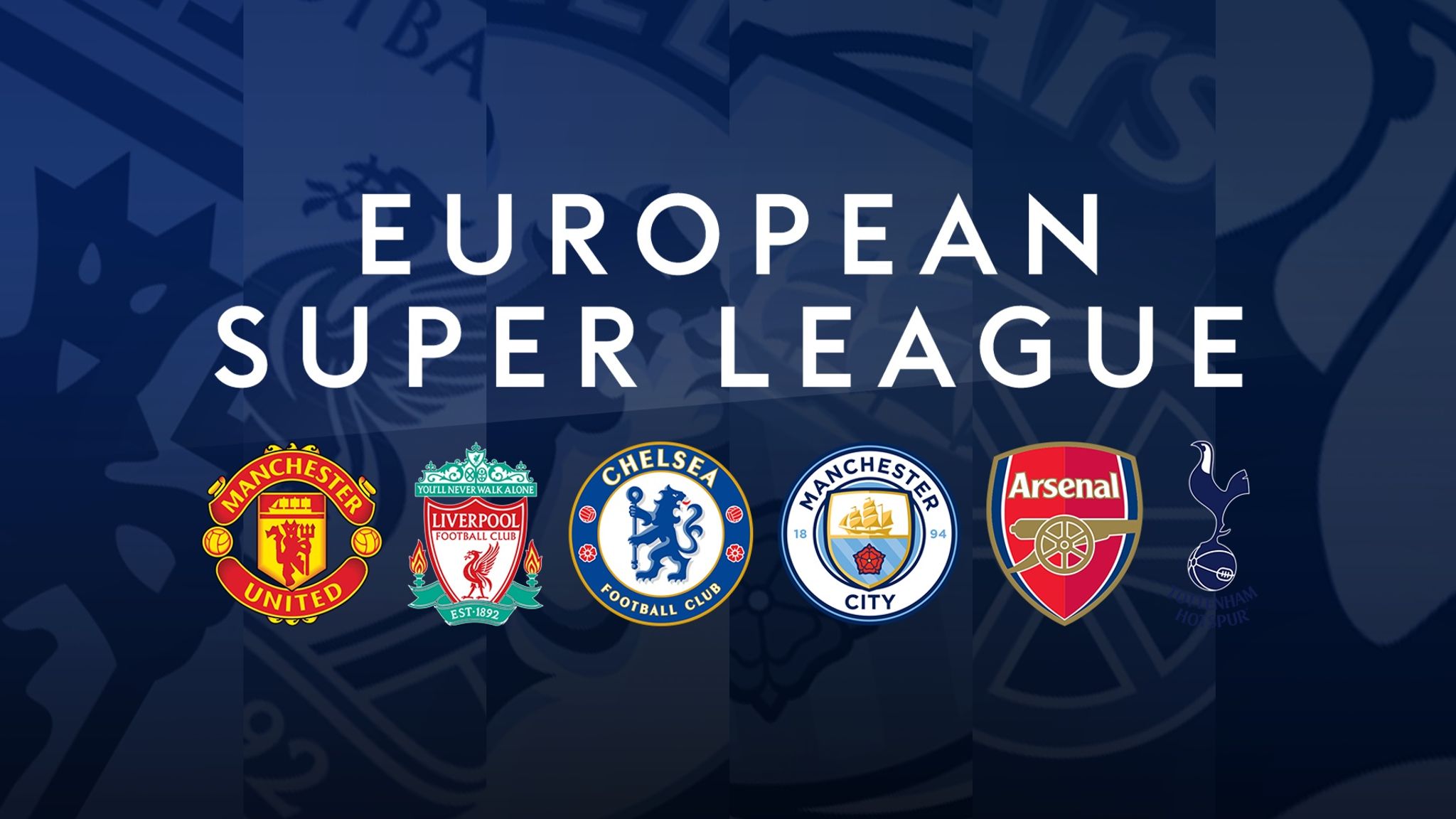
The Super League collapsed within 48 hours. The backlash was immediate. Fans protested, clubs withdrew, and the proposal became one of the most controversial moments in modern football history. Yet despite its failure, the reasons behind its creation have not disappeared.
Five years later, European football is still facing the same fundamental challenge: how to create financial stability for its biggest clubs while preserving the competitive traditions that make the sport unique.
The Problem That Created the Super League
The Super League was never just about creating another tournament. At its core, it was a response to a financial problem facing Europe’s elite clubs.
The biggest teams operate in a system where their revenues can change dramatically depending on whether they qualify for the Champions League each season. Missing out on Europe’s top competition can have a significant impact on broadcasting income, sponsorship value, and long-term planning.
The objective was simple:
- Reduce financial uncertainty by removing qualification risk
- Create a premium European competition capable of generating greater global commercial value
- Provide predictable revenues for the clubs driving the majority of football’s worldwide audience
The proposal failed because many saw it as a threat to sporting merit and competition. However, the economic pressures that led to the idea remain unresolved.
UEFA’s Response: More Football, More Value?
Instead of creating a closed competition, UEFA responded by expanding its existing European tournaments through the Swiss Model.
The strategy was built around a familiar formula: increase the number of participants, increase the number of matches, and create more opportunities for broadcasters and sponsors.
The thinking was straightforward:
- More teams create more markets
- More matches create more broadcast inventory
- More fixtures create more commercial opportunities
The Attention Economy Problem
Football has never been more available to fans. Supporters now consume domestic leagues, European competitions, international tournaments, streaming content, highlights, and social media clips throughout the year.
But as the amount of football increases, fan attention becomes increasingly divided. A larger calendar does not automatically create greater value, especially when every match competes against hundreds of other fixtures.
The sport risks moving from a model built around must-watch moments to one based on constant availability.
Is European Football Really Competitive?
European football often presents itself as the opposite of American franchise sports as the argument has always been that European football is built on merit which include:
- Clubs can rise through promotion and relegation
- Every season offers new opportunities
- No team receives a guaranteed place at the top
But the competitive reality tells a more complicated story.
Over the last 17 seasons:
- FC Bayern Munich have won 82% of Bundesliga titles
- Paris Saint-Germain F.C. have won 71% of Ligue 1 titles
- FC Barcelona and Real Madrid CF have combined for 88% of La Liga titles
- The Premier League has produced only six champions in 17 years
The European model remains open in theory, but success is increasingly concentrated among a small number of clubs.
Football’s Biggest Contradiction: Global Popularity, Limited Monetization
European football has one of the largest global audiences in sport, yet its financial output remains surprisingly low compared with other major leagues.
Here is the stricking comparison:
- The National Football League generates approximately $23 billion annually from 285 games
- UEFA’s three major club competitions generate around $5 billion from more than 530 matches
The issue is not demand as football has millions of passionate supporters across every continent. The issue is converting that attention into a stronger commercial model without damaging the traditions that make the sport valuable.
The Super League Was the Wrong Answer to the Right Question
The Super League failed because it attempted to solve football’s economic challenges by changing the structure of competition.
But the collapse of the idea did not eliminate the problems behind it. Elite clubs still need greater financial stability. Fans still want meaningful matches. European football still needs to find a balance between tradition, competitiveness, and commercial growth.