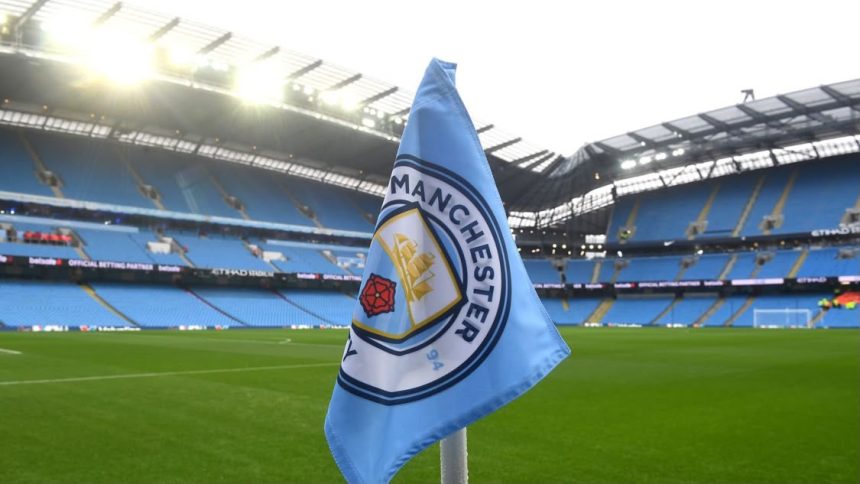











Manchester City are expected to argue that around £830m in disputed sponsorship payments came from the Abu Dhabi Government rather than the club’s owner, Abu Dhabi United Group (ADUG), as they appeal the independent commission’s verdict against them.
The argument is expected to focus on sponsorship agreements involving state-controlled entities such as Etihad Airways and Etisalat, with City maintaining that the payments should not be treated as funding from the club’s owner.
However, the club could face difficulties over previous statements made by Etihad, which has publicly denied that the Abu Dhabi Government funded its sponsorship agreement with Manchester City.
City could point to an internal report prepared for the Crown Prince of Abu Dhabi in 2010, which reportedly concluded that the Abu Dhabi Government did cover Manchester City’s sponsorship. The report was not intended for external publication but has since become relevant to the dispute surrounding the source of the sponsorship funds.
The issue was also raised during Manchester City’s previous case with UEFA. At the time, City denied that sponsorship money from Etihad or any other partner had come from a source other than the companies making the payments directly.
Sheikh Mansour provided a letter stating:
I have not authorised ADUG to make any payments to Etihad, Etisalat or any of their affiliates in relation to their sponsorship of MCFC.
Further questions were raised in 2015 when the Partnership for Open and Fair Skies wrote to US government departments arguing that Etihad had gained a competitive advantage because of significant financial support from the Abu Dhabi Government.
The organisation referred to the internal report which appeared to support the claim that the Abu Dhabi Government had funded Etihad’s Manchester City sponsorship.
Etihad, however, strongly rejected the allegation.
The assertion that the Abu Dhabi Government paid for Etihad’s sponsorship of English Premier League football club Manchester City is equally false
The airline said.
Etihad stated that it had entered into a 10-year sponsorship agreement with Manchester City in 2011, including naming rights to the club’s stadium, and insisted that it had funded the sponsorship from its own liquidity.
That previous denial could now become significant for City’s appeal.
According to the independent commission’s findings, the club’s argument was that “AD Sponsors had from time to time applied for financial assistance from the AD Government towards their liability to pay the Recorded Sponsorship Fees.”
Because the verdict contains redacted names and refers to multiple sponsors, City could potentially argue that the evidence concerning Etihad does not necessarily apply to every disputed sponsorship arrangement.
However, several legal sources have reportedly suggested that Etihad’s public denial does not strengthen City’s position, particularly because the airline specifically rejected the claim that the Abu Dhabi Government helped finance its sponsorship.
The independent panel had already considered the evidence surrounding the source of the disputed sponsorship payments before reaching its verdict.
Crucially, the panel concluded that the suggestion that the tagged sums came from the Abu Dhabi Government rather than ADUG had been “concocted well after the event”.
Manchester City have rejected the independent commission’s findings and formally lodged their appeal, maintaining that the verdict contains material errors of law, principle and fact.
The sponsorship funding issue is therefore expected to be one of the key areas examined as the appeal process progresses, with City attempting to challenge the commission’s conclusions over the source and treatment of the disputed payments.