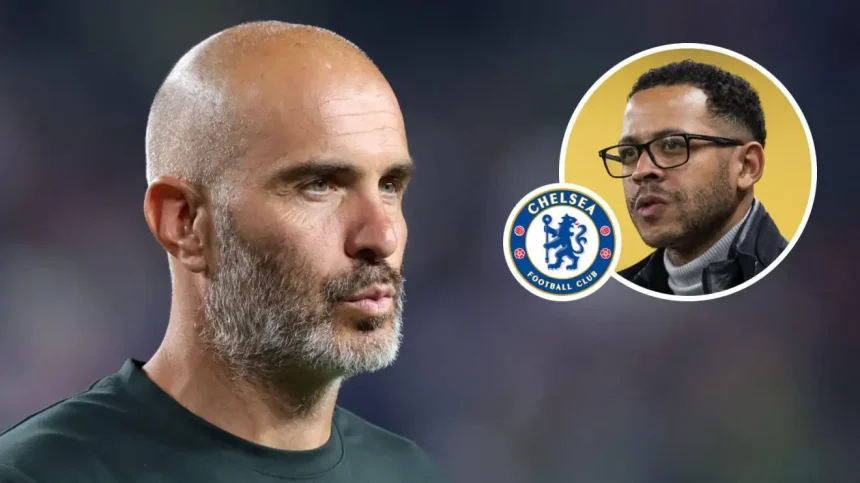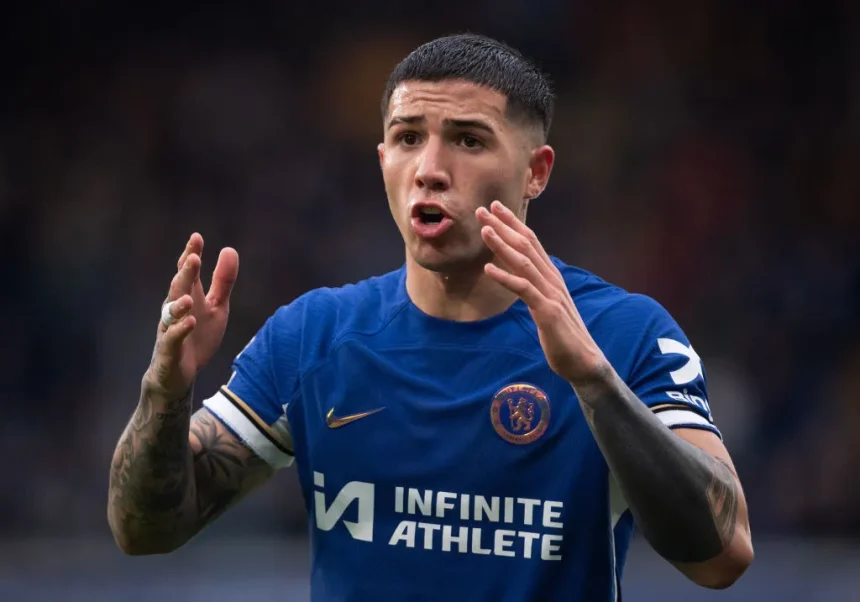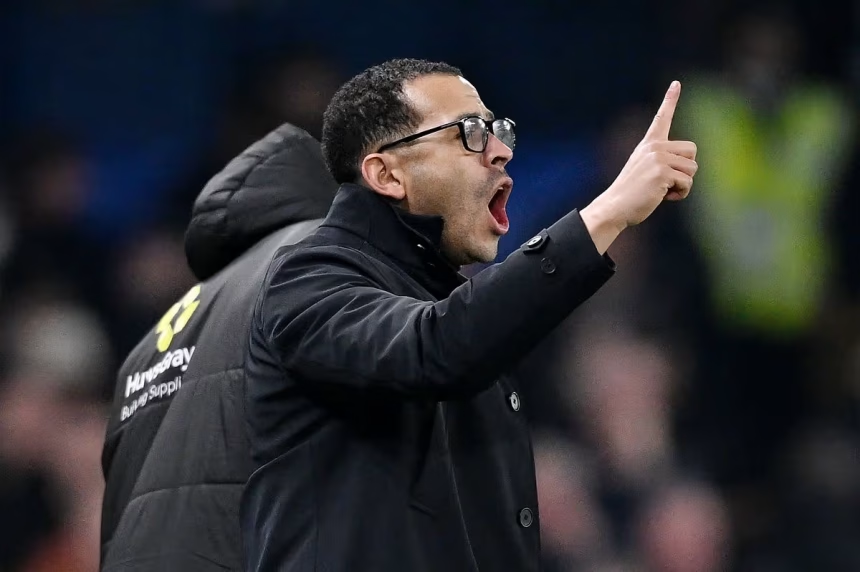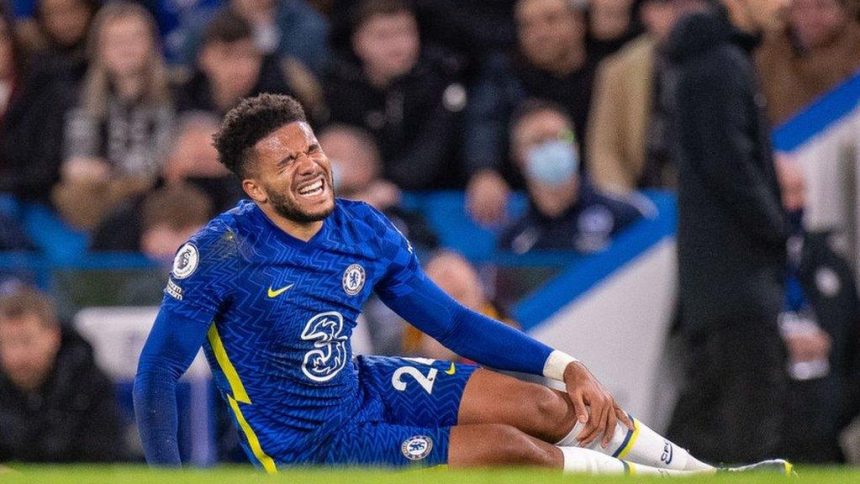
















Softfootball gathered that Chelsea bottled a 2–0 lead against Leeds United, allowing the visitors to fight back for a 2–2 draw. While many fans may point fingers at the coach, the truth is more layered.
To be honest, the manager should not take the full blame. Tactically, he set the team up to win the game and had coached what looked like three valuable points. However, individual errors proved costly.
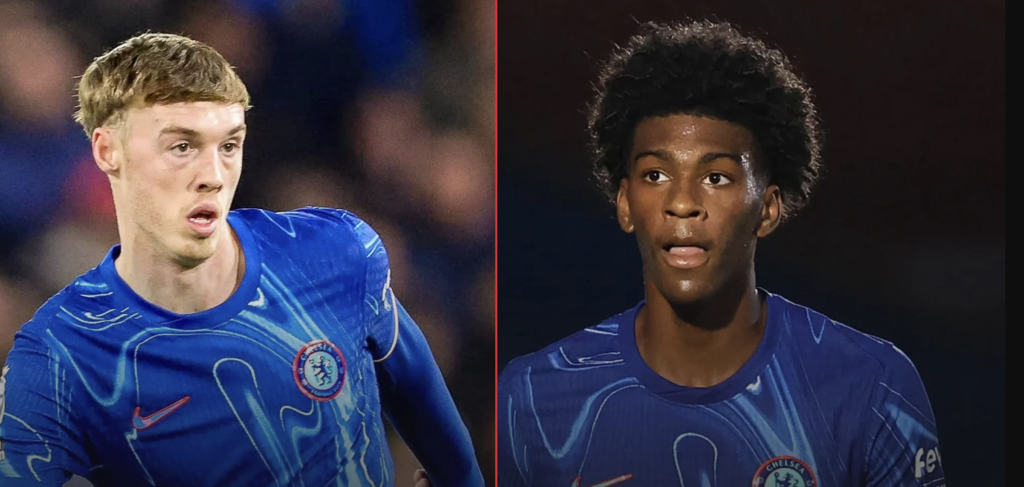
Achempong failed to deal with a key defensive moment, and Cole Palmer missed a golden injury-time opportunity to seal the win. But beyond those moments lies a bigger concern Chelsea’s recurring injury problems.
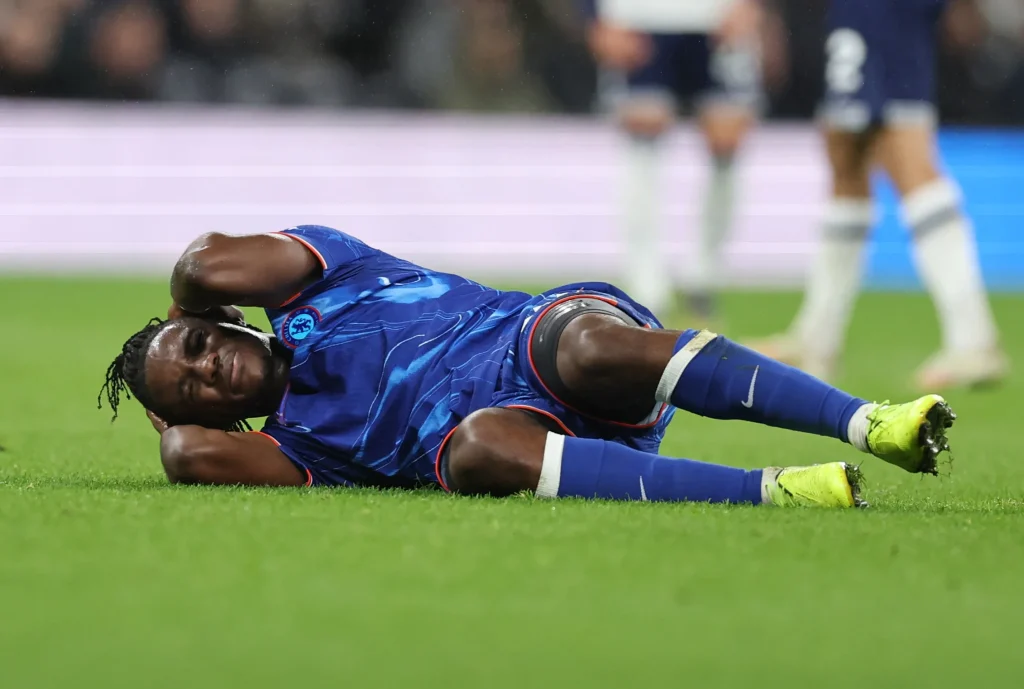
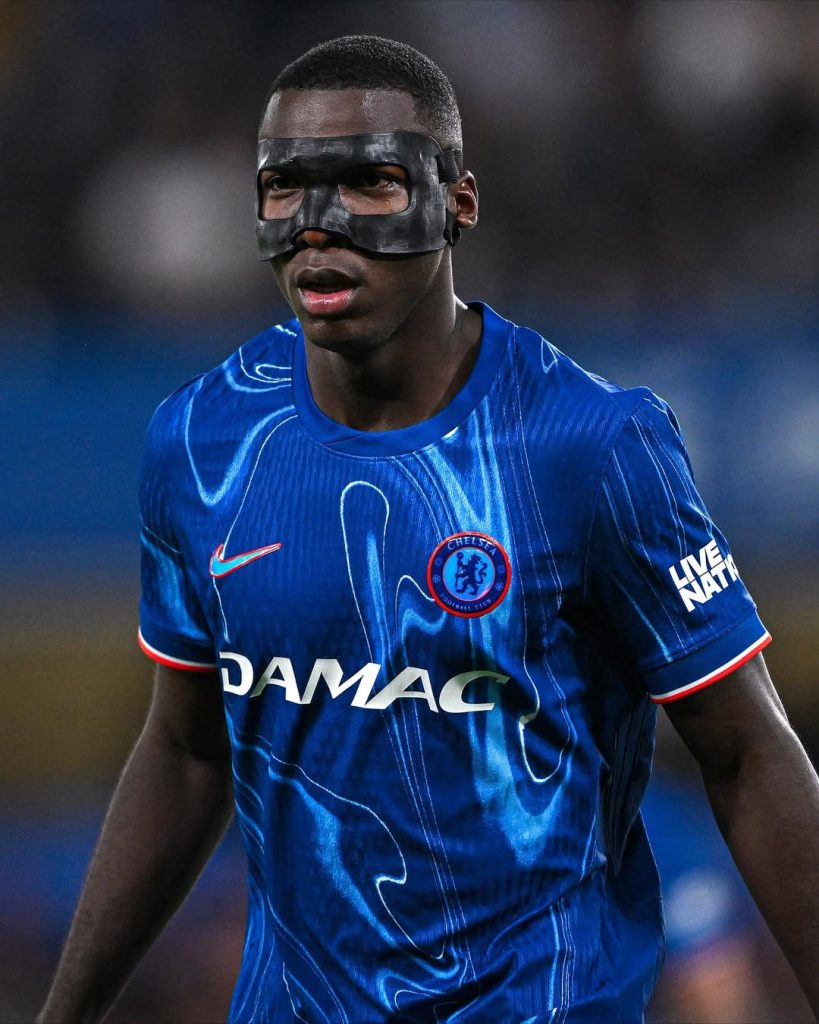
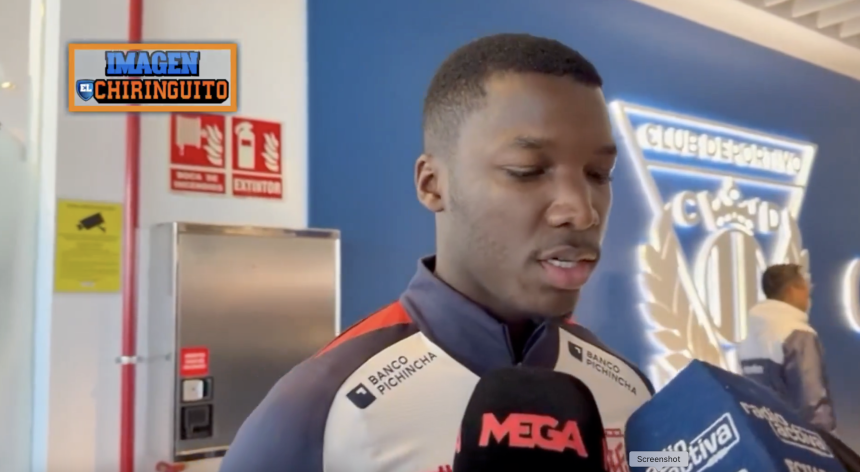
Romeo Lavia has struggled with fitness and is rarely available when Moisés Caicedo needs rotation or support. Dário Essugo, since arriving at the club, has also faced persistent injury setbacks, limiting midfield options and squad depth.
In wide areas, Alejandro Garnacho’s performances have been ineffective, offering little defensive cover. Against Leeds, Marc Cucurella was substituted in the first half, and Jorrel Hato, who replaced him, failed to make the required impact.
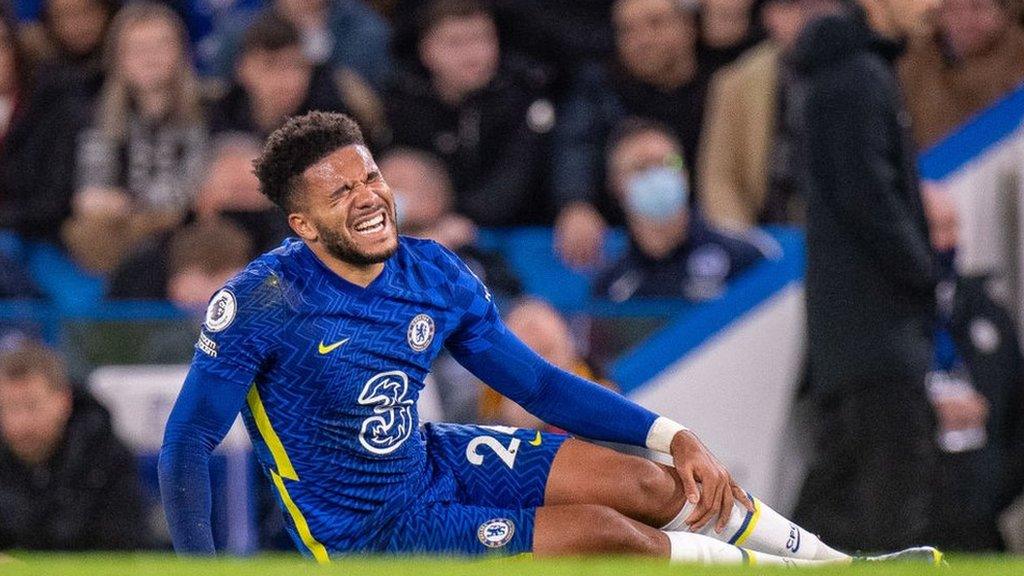
Then comes the captain, Reece James. Reports suggest he may not be fully injured, yet missing three crucial matches has significantly weakened the team. James offers leadership, balance and attacking fluidity, qualities that could have made a difference against Leeds, especially compared to Gusto.
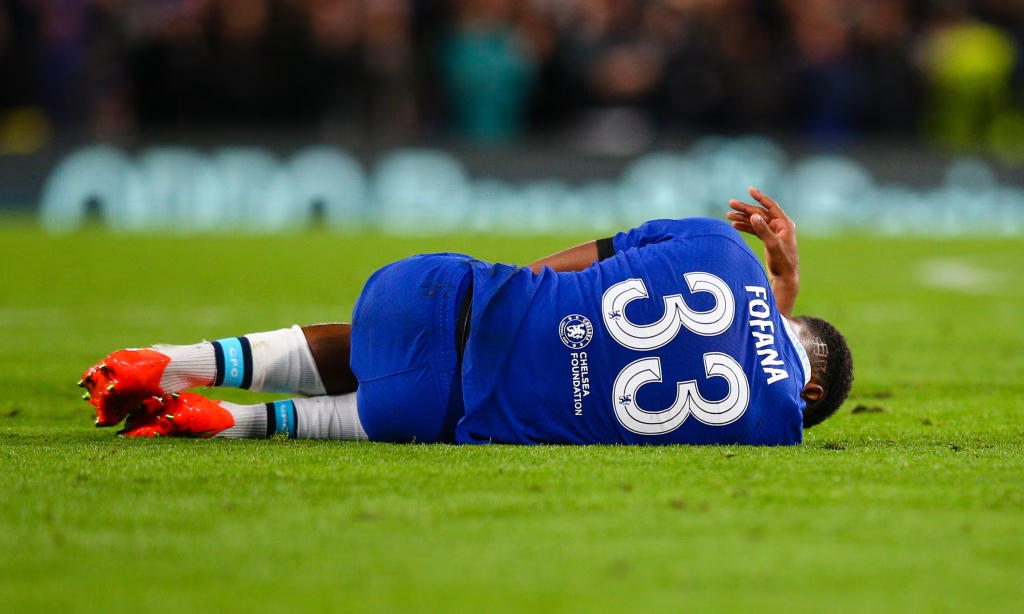
Wesley Fofana’s situation further compounds the issue. Constantly managed due to fitness concerns, he remains in and out of the squad. If fully fit, Achempong may not have started that game. Instead, Chelsea are forced into defensive reshuffles that affect chemistry and stability.
The reality is simple: when key players are constantly unavailable, rhythm disappears. Rotations become reactive rather than strategic. Partnerships fail to develop. And in tight matches like the one against Leeds, those small margins decide everything.