













As a United fan, or a fan of any football club, one important thing is to say the truth when necessary. By June/July 2026, clubs will enter the transfer window and begin signing players.
When people say teams like Manchester United have the money to buy any player for any amount, it is true to some extent, but contextually and currently, it is not entirely accurate.
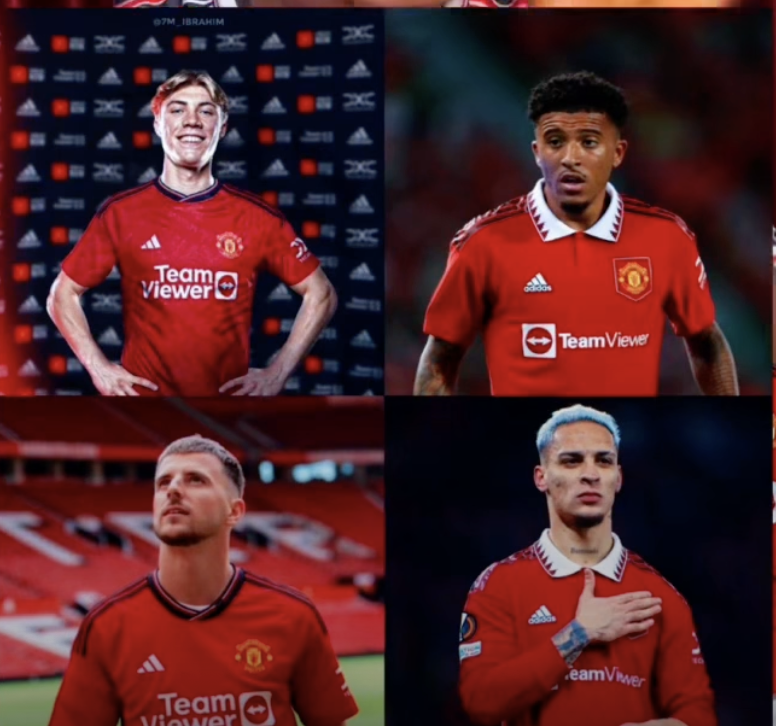
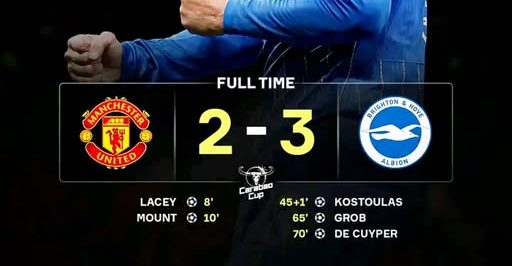
Softfootball highlights this reality by pointing to players like Højlund, Sancho, Mount, and Antony, who cost the club over £300 million but have only produced 48 goals combined, which is the same number Erling Haaland scored in his first season alone.
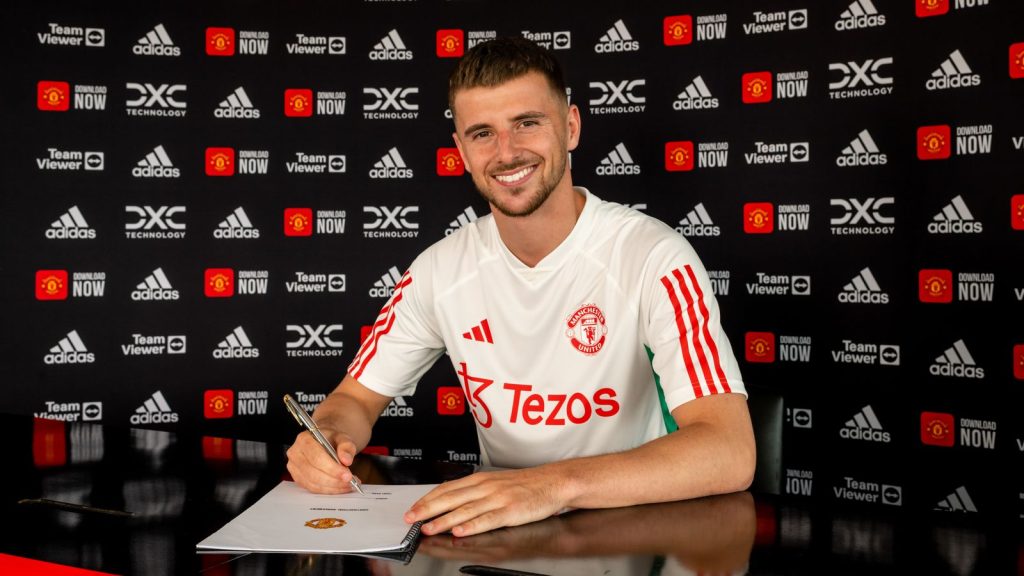
Looking at the modern transfer structure, deals are often paid in installments. For example, if United sign a player like Mason Mount for £50 million, they may agree to pay around £54 million in installments over three years. This means yearly payments of around £10–15 million depending on the agreement.
So, if Manchester United enter the summer with a £200 million transfer budget, the reality is that part of that money will go toward outstanding payments from previous transfers. This could reduce the actual spending power to around £150 million, with funds going toward payments to clubs like Atalanta for Højlund, Chelsea for Mount, Ajax for Antony, and others.
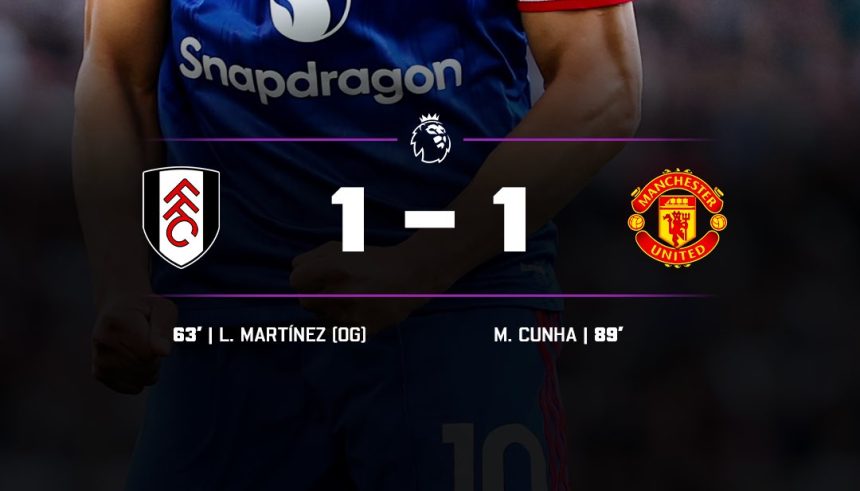
This situation shows that United’s financial muscle is not as strong as it appears. When fans celebrate potential signings like Mbeumo, Šeško, or Cunha, it is not at the level of signings like Messi or Ronaldo, but rather appreciation of players who can improve the team from its current level.
The reality remains that past reckless spending has had long-term effects. Spending over £300 million for a return of 48 goals raises serious questions, especially when compared to the impact of more recent signings in the 2025 summer window, who have shown better performances.