















In a match that illuminated the Etihad Stadium, Rayan Cherki stole the spotlight with a sensational rabona assist during Manchester City’s commanding 3–1 English Premier League win over Sunderland.
The 22-year-old Frenchman, signed from Lyon in a €50 million summer move, wrapped his right leg behind his left to whip a curling cross onto the head of Phil Foden, sealing City’s third goal in style.
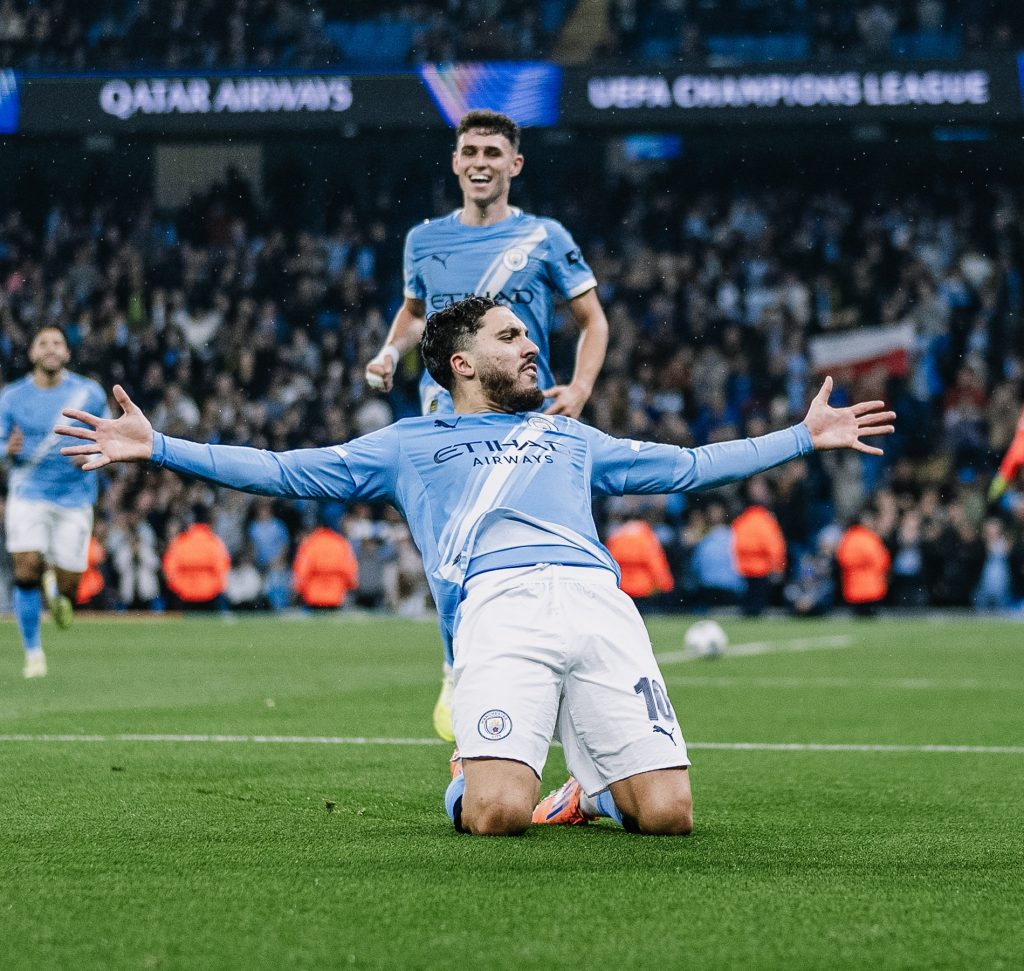
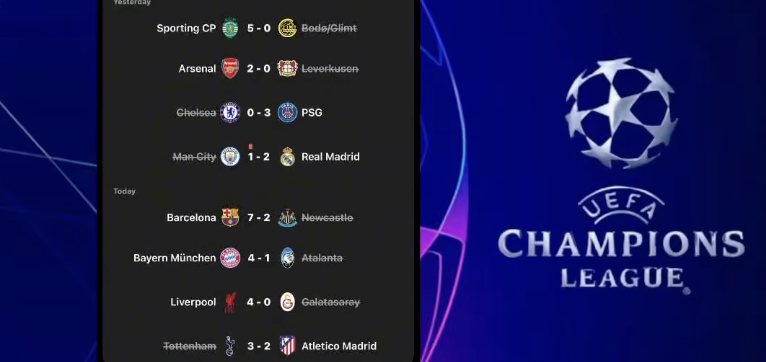
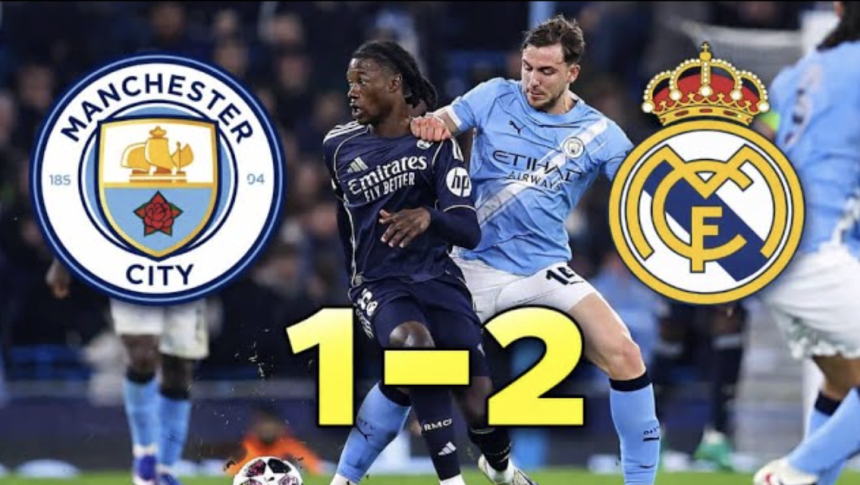
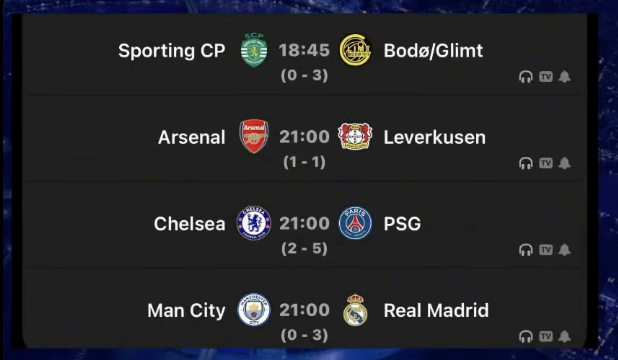
The moment electrified the 52,000 fans in attendance and instantly went viral online, as City moved to within two points of Premier League leaders Arsenal amid an otherwise inconsistent season. They also backed that run of form with a thrilling Champions League victory over Real Madrid at the Santiago Bernabeu.
Before Cherki’s flash of brilliance, City handled business with clinical efficiency. Ruben Dias opened the scoring with a towering 23rd-minute header, and Josko Gvardiol doubled the lead just before halftime with a composed finish. Yet it was Cherki, operating on the right flank, who became the game’s undeniable protagonist.

He created six chances, more than any other player, earning a standout 9.2 match rating, a moment that sent everyone into a frenzy. The discussion gained further traction on the Rio Ferdinand Presents podcast via a video on their official X account, where the former Manchester United captain passionately defended creative expression.
Watch the Video Below:
As revealed in the video, Softfootball understands that Rio Ferdinand’s reaction to Rayan Cherki’s eye-catching rabona assist was catchy, with the former Manchester United defender using the moment to spark a broader debate about creativity under Pep Guardiola.
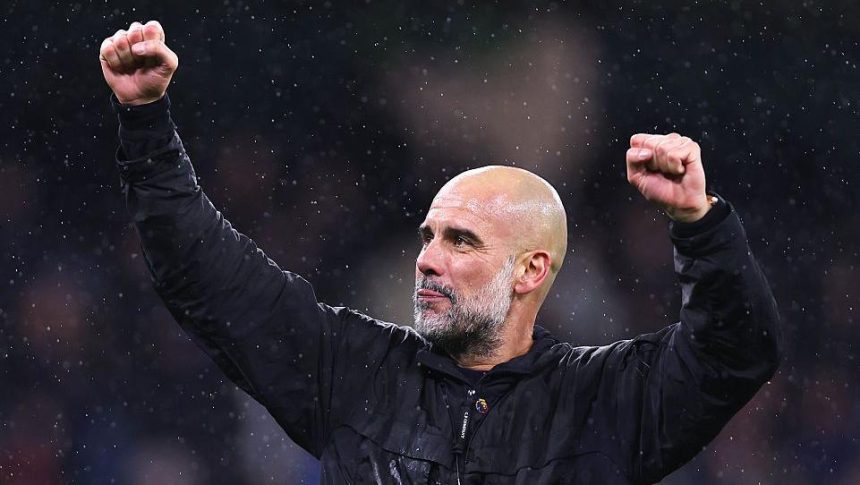
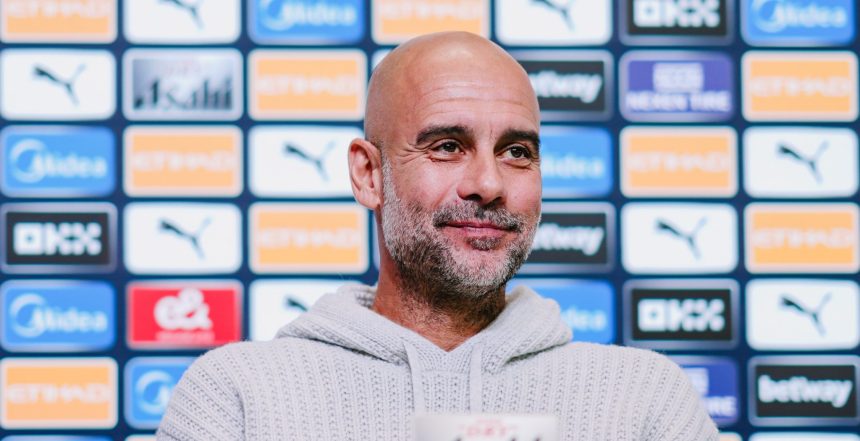
As seen in the video clip, Ferdinand praised Cherki’s flair and framed it as the kind of individual brilliance fans enjoy. He then referenced Guardiola’s post-match comments, suggesting that the Manchester City manager appeared irritated because such unpredictable moves fall outside his tightly controlled tactical structure.
He said:
You see Pep’s interview talking about it. He says Messi is the best player to play this game, but I never saw this kind of crosses, and he said I like the simplicity because I learnt from Messi that I never make a mistake with the simple things.
He’s looking at it as a manager. And he sees beauty in the simplicity. As a fan, I see beauty in simplicity, but I see even more do something like when there’s Maverick. When there’s something not many can do, he controls his team to win titles and big trophies.
Ferdinand expands the conversation by linking Cherki’s moment to Guardiola’s history with expressive players. Citing examples like Jack Grealish and Jeremy Doku, he argues that Guardiola’s system can limit footballers who rely heavily on improvisation, making it difficult for them to fully express themselves on the pitch.
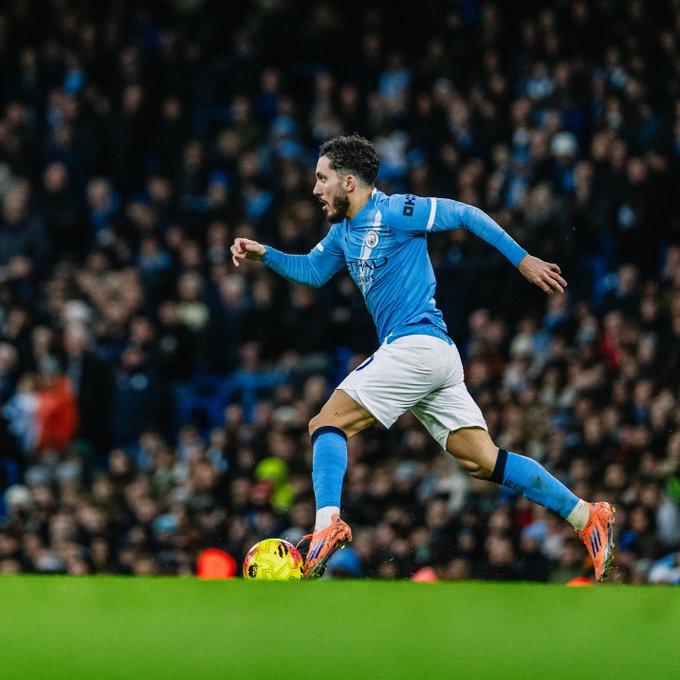
He also points to Phil Foden’s surprised reaction to Cherki’s assist, implying that even teammates recognise the risk of attempting such moves under Guardiola’s regime.
The discussion, joined by co-hosts Joel Beya and Stephen Howson, centres on whether creative, instinct-driven players like Cherki can flourish within City’s disciplined and highly structured style of play.
For Cherki, the moment further solidified his impressive start in Manchester. With five goals and seven assists in 14 appearances across all competitions, he has successfully transported the flair and unpredictability he showed at Lyon into the Premier League.
Yet Guardiola’s comments raise intriguing questions about how much creative freedom he’ll be granted going forward.
As City turn their attention to a crucial Premier League clash against Crystal Palace, Cherki’s rabona has become the latest flashpoint in football’s timeless debate: artistry versus pragmatism.