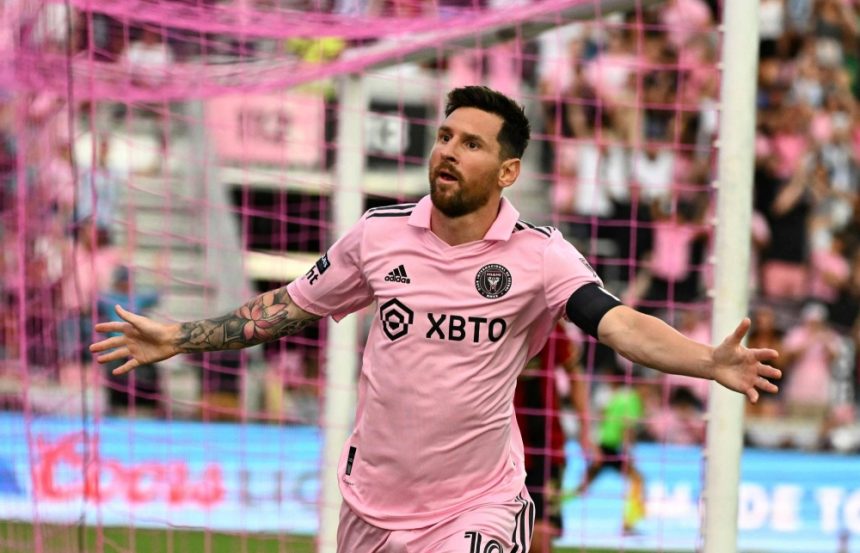













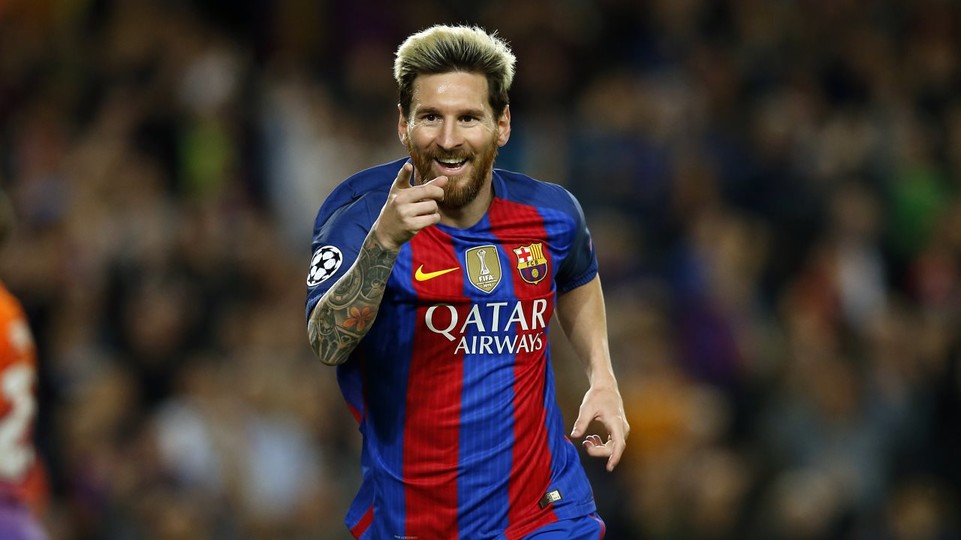
When comparing the journey to 500 career goals, the numbers immediately stand out. Cristiano Ronaldo reached 500 goals after playing 753 games. Harry Kane did it in 743 games. But Lionel Messi reached the same milestone in just 632 games.

That means Cristiano Ronaldo played 121 more games than Messi to get to 500 goals. The difference is significant, and it helps explain why many coaches, fans and football lovers have often preferred Messi’s style of play.
It is not only about goals. In those same matches, Messi consistently delivers more assists, creates more chances and influences the build-up play more than most forwards. His impact goes beyond finishing.
Softfootball recalls the Champions League semi-final first leg between FC Barcelona and Liverpool F.C. at Camp Nou in 2019. Barcelona won 3:0, with Messi scoring two goals. But beyond that, in additional time he created three big chances. Ousmane Dembélé missed key opportunities that could have made the scoreline even bigger.
That performance showed what separates Messi. Even when he is not assisting or scoring, he is involved in the build-up. It is difficult to watch a game where his team scores multiple goals and he does not influence at least one phase of the attack.
This is where total football influence becomes important. Messi is not just a goal scorer; he is a creator, a playmaker and the engine behind attacking movements.
In a similar way, when comparing Cole Palmer and Bukayo Saka, some argue that even when Palmer does not score or assist, his creativity and passing involvement remain visible throughout the game.
So while reaching 500 goals faster is impressive, the bigger story is overall influence. For many observers, Messi’s ability to combine goals, assists and control of the game is what truly sets him apart.