













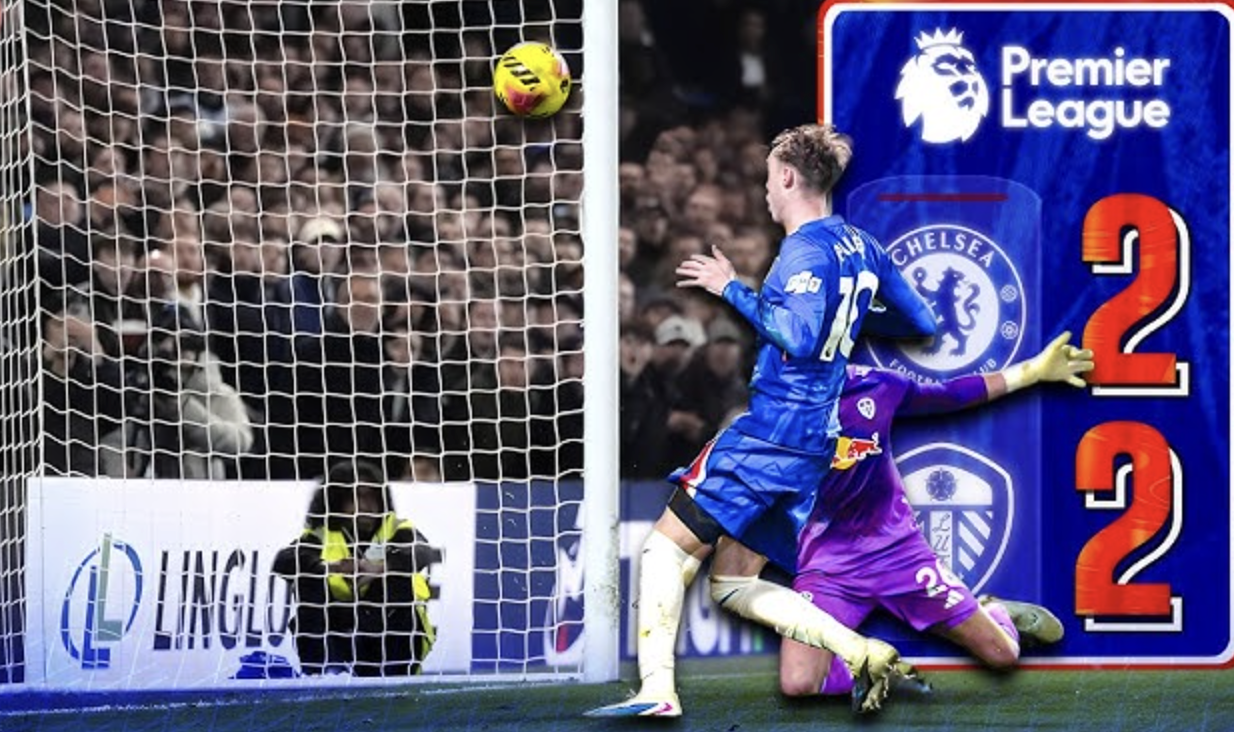
Following Chelsea’s frustrating 2–2 draw with Leeds United F.C., manager Liam Rosenior reportedly called his players together for a serious dressing-room discussion.
His message was clear: when leading games, Chelsea must not switch off. Chelsea raced into a 2–0 lead against Leeds but allowed the advantage to slip, a pattern that has haunted Chelsea F.C. throughout the 2025/26 season.

Rosenior emphasized that game management is just as important as attacking brilliance. When ahead, concentration levels must increase not drop.
Ironically, in the 3–2 comeback win against West Ham United F.C., Chelsea were initially 2–0 down. That deficit sparked urgency, hunger and aggression. The players reacted because they were chasing the game.
Against Leeds, however, the opposite happened. Leading 2–0, complacency crept in.
This issue is not new. Even under former manager Enzo Maresca who was dismissed in January 2026, Chelsea struggled with maintaining control after taking the lead.
It suggests the problem may be deeper than tactical setup; it could be psychological and structural, Softfootball analysis indicates scoring goals is rarely Chelsea’s problem. The squad boasts creative passers capable of breaking down tight defenses. Chances are created. Goals are scored.
The real concern lies in:
- Midfield control
- Defensive organization
- Game management
When Chelsea lead matches, they often fail to slow the tempo, dominate possession, or close spaces effectively.
If Chelsea eliminate these lapses, they become serious contenders for top four. But if the “switching off” continues, even comfortable leads will never feel safe.