











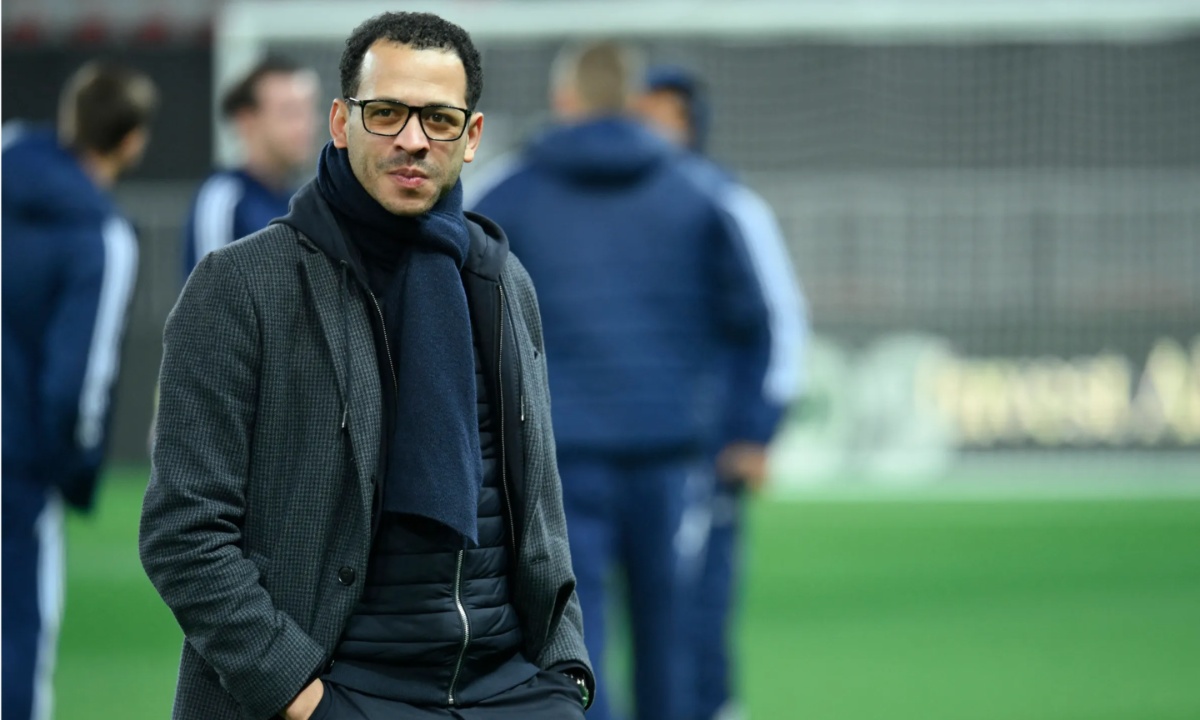

The question Why Liam Rosenior Was Sacked at Chelsea? became one of the most searched talking points after the shock dismissal of Liam Rosenior from Chelsea FC on April 22, 2026.
- What Led Chelsea to Appoint Liam Rosenior as Head Coach?
- How Did Liam Rosenior’s Chelsea Tenure Begin So Positively?
- What Triggered the Collapse in Chelsea’s Performance Under Rosenior?
- What Went Wrong Tactically and Inside the Dressing Room?
- Why Did Fans and the Board Turn Against Liam Rosenior?
- Why Was Liam Rosenior Sacked?
- What Happened Immediately After Liam Rosenior Was Sacked?
- What Is the Real Reason Why Liam Rosenior Was Sacked at Chelsea?
Despite arriving with long-term expectations and a strong reputation for modern coaching, his reign collapsed rapidly due to poor results, tactical confusion, dressing room unrest, and a severe lack of goals.
What Led Chelsea to Appoint Liam Rosenior as Head Coach?
The appointment of Rosenior on January 6, 2026, was part of a long-term structural rebuild under BlueCo. He replaced Enzo Maresca after impressing at RC Strasbourg, where his modern pressing style and tactical flexibility earned him strong recognition.
Chelsea handed him a five-and-a-half-year contract, viewing him as a “project manager” who would bring identity, structure, and long-term consistency to a heavily invested squad.
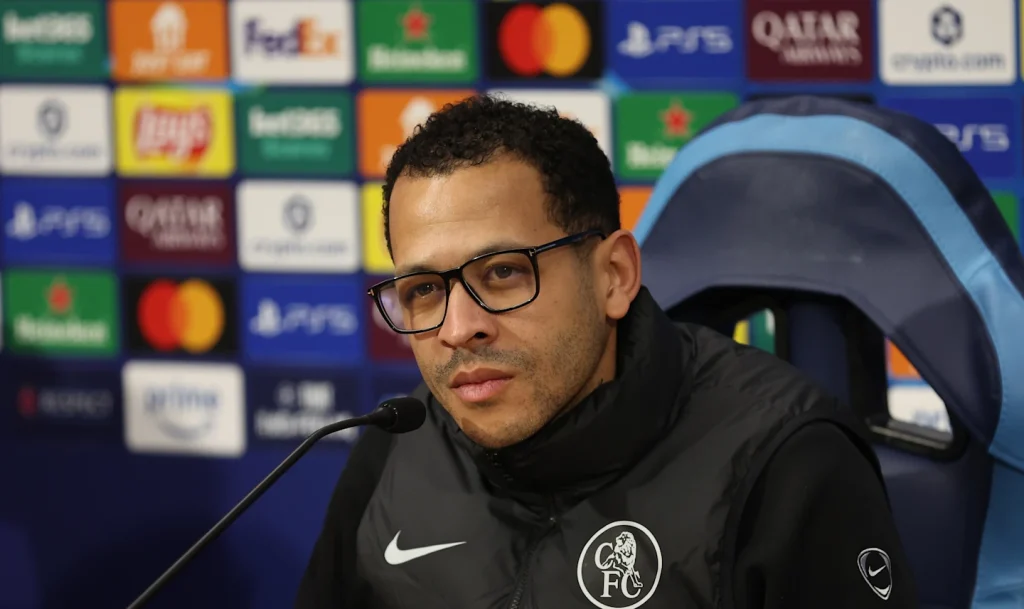
How Did Liam Rosenior’s Chelsea Tenure Begin So Positively?
Rosenior’s start created immediate optimism at Stamford Bridge. He opened his reign with a dominant 5-1 FA Cup victory over Charlton Athletic, followed by a strong run of Premier League performances. Chelsea went on to win ten of his first fifteen matches, including notable victories against Brentford FC and West Ham United.
At that stage, his win percentage exceeded 60%, and supporters began to believe Chelsea had finally found a long-term tactical identity.
What Triggered the Collapse in Chelsea’s Performance Under Rosenior?
The real answer to Why Liam Rosenior Was Sacked at Chelsea lies in what followed next , a complete collapse in attacking output and results. Across 23 matches in all competitions, Rosenior recorded 11 wins, 2 draws, and 10 defeats. Chelsea scored 47 goals but conceded 38, revealing defensive inconsistency throughout his tenure.
The defining issue, however, was a historic scoring drought. Chelsea lost five consecutive Premier League matches without scoring a single goal against Newcastle United, Everton FC, Manchester City, Manchester United, and Brighton & Hove Albion. The 3-0 defeat to Brighton became the decisive breaking point. The extended match highlight was posted on Brighton’s official YouTube channel. This run was described internally as one of the worst attacking sequences in over a century, completely undermining his project.
Watch the match highlights here;
What Went Wrong Tactically and Inside the Dressing Room?
As results deteriorated, Rosenior’s tactical decisions came under heavy scrutiny. He frequently switched between a back-four and back-five system mid-game, creating confusion in defensive structure and disrupting stability. This particularly affected key defenders such as Wesley Fofana and Levi Colwill.
His conservative tactical shift also removed creative freedom from attacking players, worsening Chelsea’s inability to score during crucial matches. Inside the dressing room, tensions escalated. Senior players reportedly grew frustrated with his training methods and tactical rigidity. By the time of the Manchester United defeat, communication breakdowns and visible on-pitch arguments suggested a fractured squad environment.
Why Did Fans and the Board Turn Against Liam Rosenior?
Softfootball reports that fan reaction played a major role in accelerating his dismissal. Stamford Bridge became increasingly hostile, with chants calling for his removal becoming frequent during matches. Away fans also expressed growing frustration.
At board level, patience ran out as the combination of poor form, lack of goals, and internal instability made the situation unsustainable for a club operating at Chelsea’s financial and competitive level.

Why Was Liam Rosenior Sacked?
The decision to terminate his contract despite a massive long-term deal was driven by three core factors:
- Historic Performance Collapse: The club set a 114-year low by failing to score in five consecutive league losses. This run dropped them to 8th in the table, essentially extinguishing their Champions League qualification hopes.
- Loss of the Dressing Room: Relationships behind the scenes reportedly eroded, with senior players like Wesley Fofana and Enzo Fernández showing visible frustration. Players reportedly questioned Rosenior’s tactical caution during crucial matches.
- Fan Hostility: During the 3-0 loss at Brighton, travelling supporters turned on Rosenior and the club’s ownership, chanting for his removal. This public backlash made his position untenable.
What Happened Immediately After Liam Rosenior Was Sacked?
Following his dismissal, Calum McFarlane was appointed interim head coach to stabilise results. Chelsea were left in eighth place, ten points outside Champions League qualification, highlighting how quickly the season had unravelled.
The club also entered another phase of managerial uncertainty, as seen in broader discussions around its leadership direction, including evolving situations such as Cesc Fàbregas stepping away from Chelsea managerial consideration during the ongoing coaching search, reflecting the wider instability in the club’s planning process.
What Is the Real Reason Why Liam Rosenior Was Sacked at Chelsea?
Ultimately, Why Liam Rosenior Was Sacked at Chelsea comes down to a combination of critical failures rather than a single moment.
A strong start was undone by a historic goal drought, tactical confusion, loss of dressing room control, and increasing fan unrest. Chelsea’s hierarchy concluded that the decline was too severe to ignore, leading to his dismissal.