















Football, often called the beautiful game, thrives not just on individual brilliance but on leadership that inspires teams to transcend limits.
Captains are the heartbeat of any squad, embodying strategy, resilience, and charisma, and throughout history, certain skippers have redefined the role, influencing tactics, culture, and global perceptions of the sport.
Drawing from expert analyses and historical records, Softfootball brings you the top five most influential captains, ranked by their lasting impact on football.
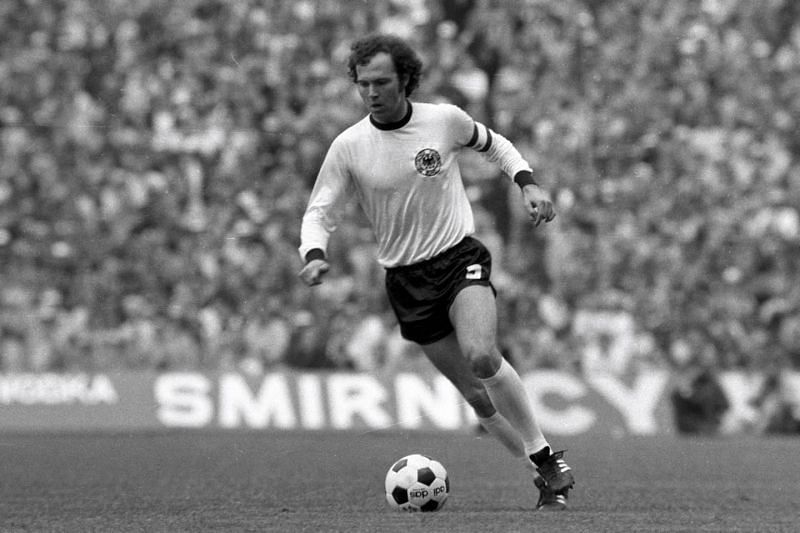
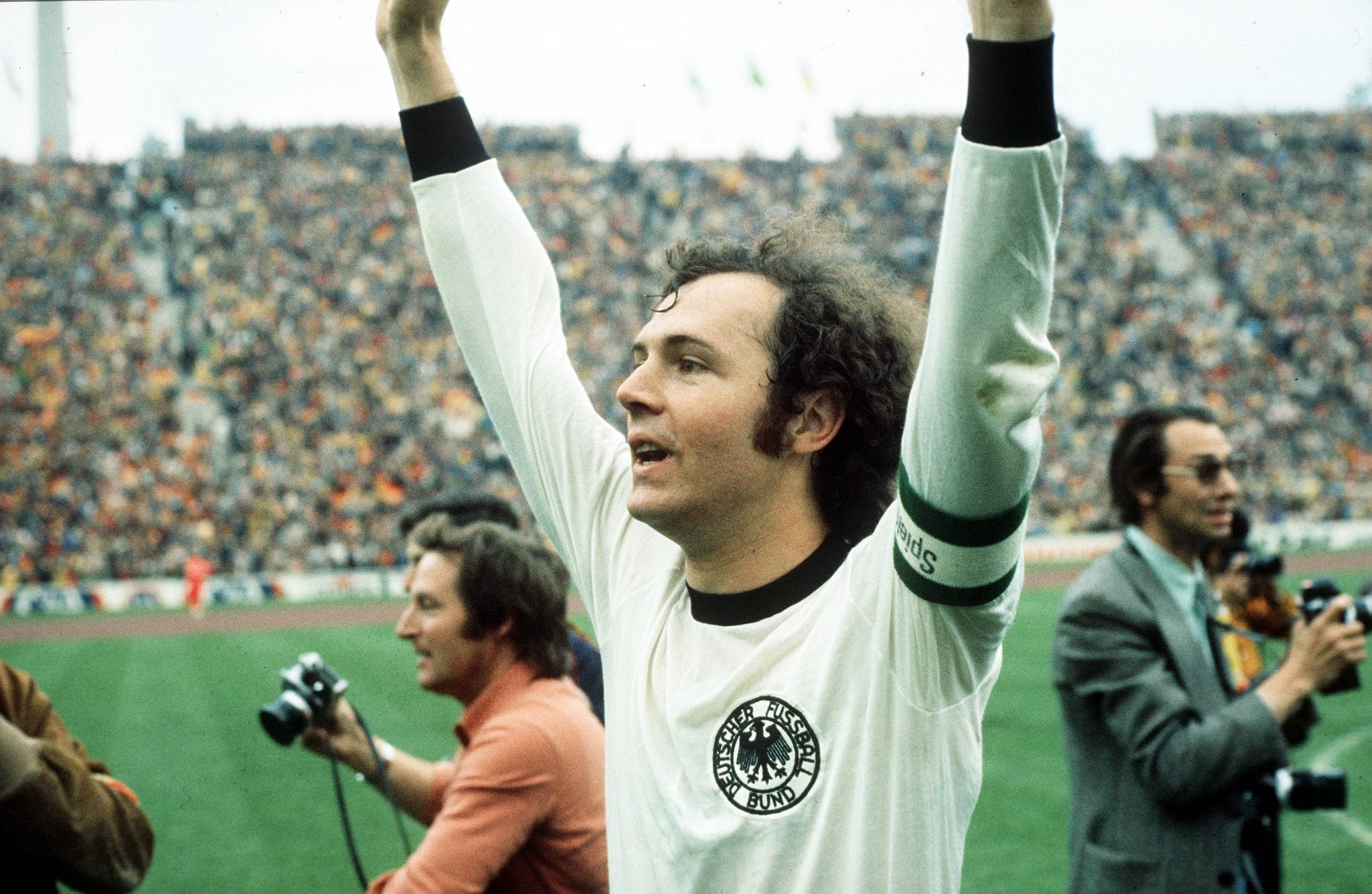
1. Franz Beckenbauer (West Germany and Bayern Munich)
Nicknamed “Der Kaiser”, Franz Beckenbauer revolutionised football with his innovative sweeper role, blending defence and midfield play in a way that shaped modern tactics.
As captain, he led West Germany to the 1974 FIFA World Cup triumph, outmanoeuvring Johan Cruyff’s Netherlands in the final, and guided Bayern Munich to three consecutive European Cups from 1974 to 1976.
His calm, visionary leadership extended beyond the pitch; Beckenbauer was the first to win the World Cup as both player and manager (in 1990), earning two Ballon d’Or awards (1972, 1976).
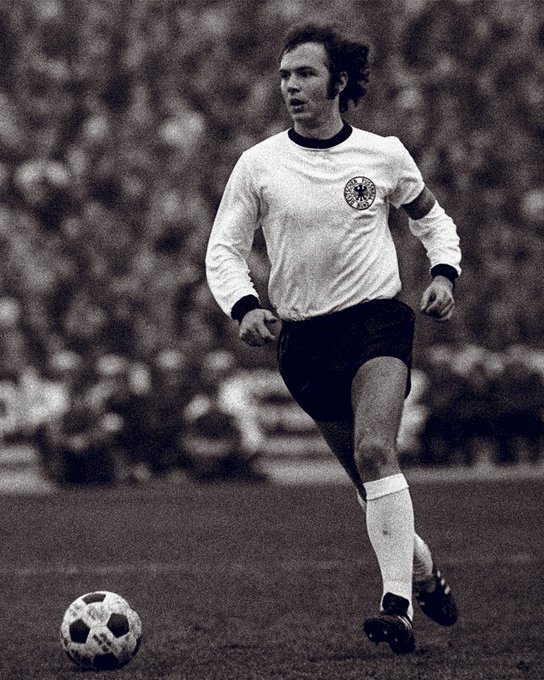
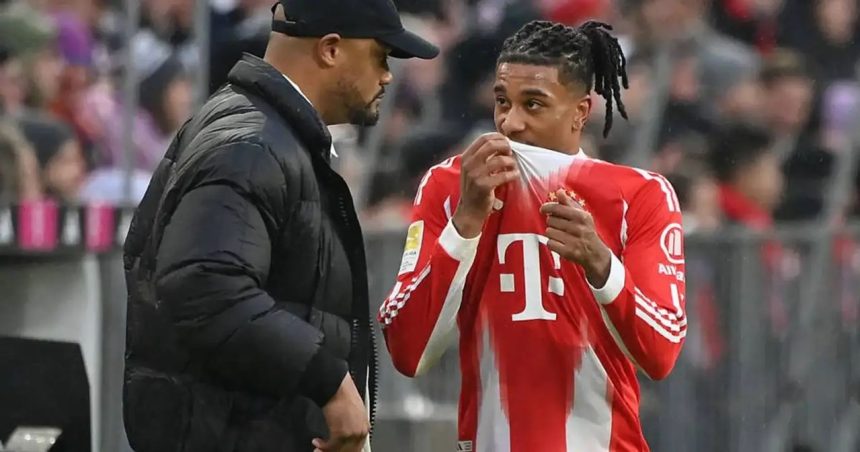
His influence persists in how defenders like Virgil van Dijk orchestrate play from the back, making him a blueprint for tactical evolution. Also, Bayern will not be missing their legend, as a new teenage gem, Karl, starred in Bayern’s 3-1 Champions League victory over Sporting Lisbon.
Even after his death, as revealed by Fabrizio Romano via his official X account, Bayern retired the No. 5 jersey in his honour.
He posted:
Bayern have retired the legendary #5 shirt, memory of Franz Beckenbauer.
No other player will wear number 5 in the future, to remember Der Kaiser.
2. Paolo Maldini (Italy and AC Milan)
A symbol of loyalty and defensive mastery, Paolo Maldini spent his entire 25-year career at AC Milan, captaining the side from 1997 and lifting five UEFA Champions League trophies, including as skipper in 2003 and 2007.
His influence lies in his vocal organization of impenetrable backlines, amassing 647 Serie A appearances and seven league titles. Internationally, he led Italy in 74 matches, though without major silverware.
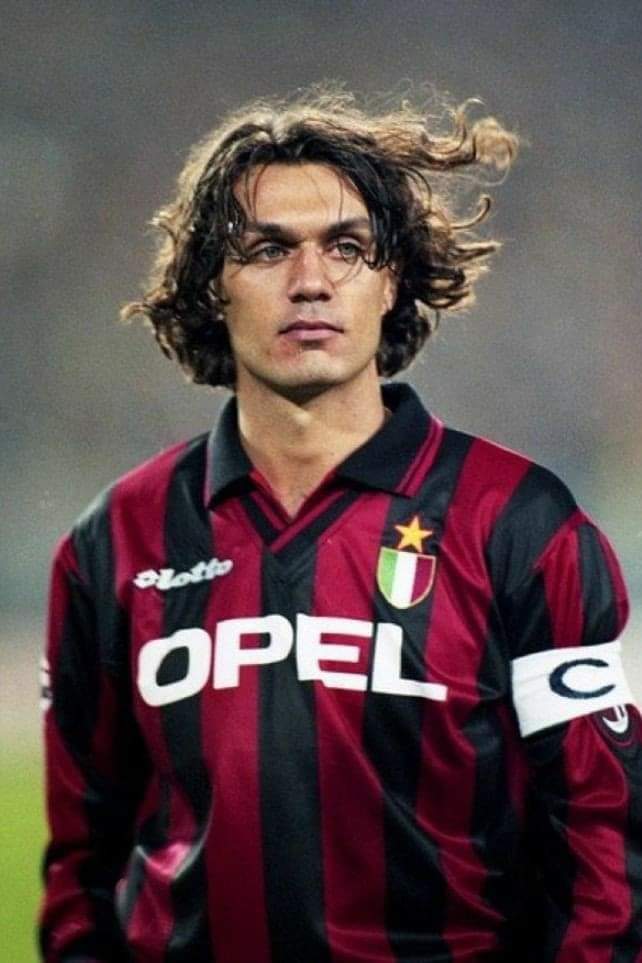
Maldini’s elegance and consistency earned him the UEFA Club Football Award, inspiring generations of defenders to prioritize intelligence over brute force. His one-club devotion has become a rare ideal in the modern transfer era.
3. Diego Maradona (Argentina and Napoli)
Diego Maradona’s captaincy was a whirlwind of genius and controversy, but his influence on football’s cultural fabric is unmatched. Leading Argentina to the 1986 World Cup glory, he scored the infamous “Hand of God” and the “Goal of the Century” against England, earning the Golden Ball as the tournament’s best player.
At Napoli, the Late Maradona transformed a struggling club into Serie A champions twice (1987, 1990) and UEFA Cup winners (1989), elevating southern Italy’s pride amid regional divides.
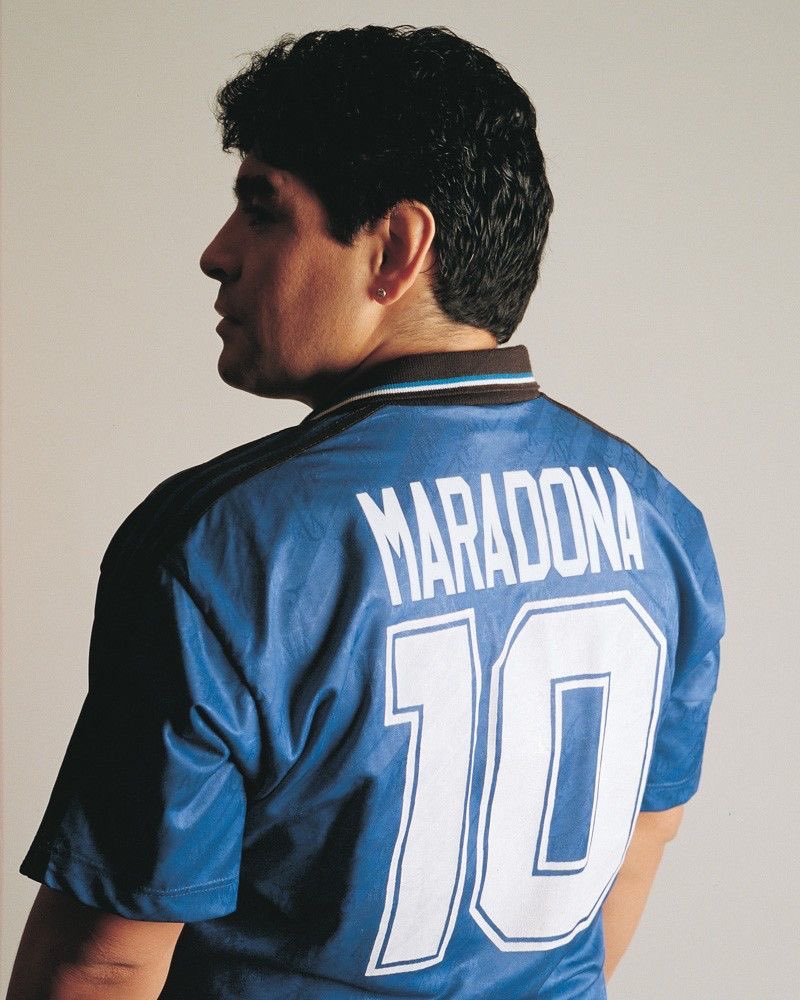
With 91 caps and 34 goals for Argentina, Maradona’s charismatic, street-smart leadership made him a global icon, influencing players like Lionel Messi to embrace flair and national passion.
4. Bobby Moore (England and West Ham United)
Bobby Moore’s poise under pressure defined English football’s golden moment, captaining England to the 1966 World Cup victory on home soil. His visionary passing and timed tackles in the final against West Germany earned praise from Pelé as the best defender he faced.
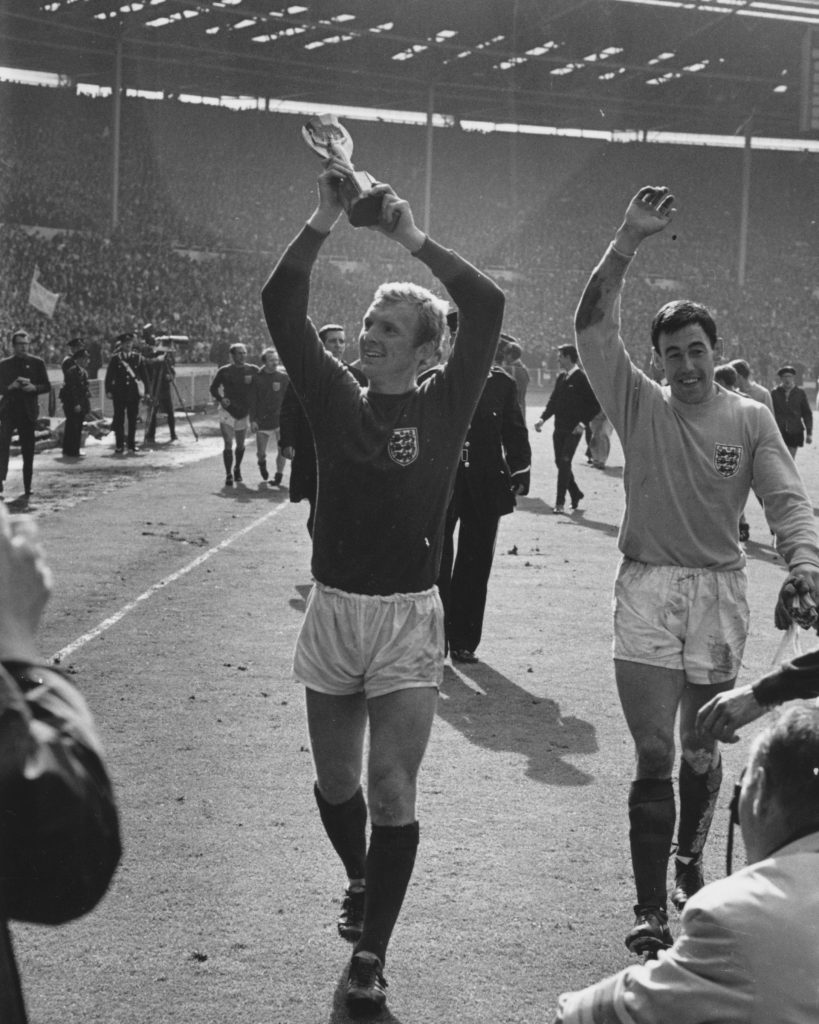
At West Ham, he led to the 1964 FA Cup and 1965 European Cup Winners’ Cup. With 108 caps, Moore’s influence extended to modern captains emphasizing composure; his No. 6 jersey is retired at West Ham, and he placed second in the 1970 Ballon d’Or. He embodied the gentleman leader, shaping football’s image as a noble pursuit.
5. Johan Cruyff (Netherlands and Ajax/Barcelona)
Johan Cruyff’s captaincy pioneered “Total Football”, a fluid system that influenced global tactics. Leading Ajax to three consecutive European Cups (1971-1973), he scored in the 1972 final and captained the Netherlands to the 1974 World Cup final.
His intelligence and unyielding personality elevated teams, later as Barcelona’s manager implementing the style that birthed tiki-taka. Cruyff’s three Ballon d’Or wins (1971, 1973, 1974) underscore his legacy, inspiring philosophies at clubs like Manchester City under Pep Guardiola.
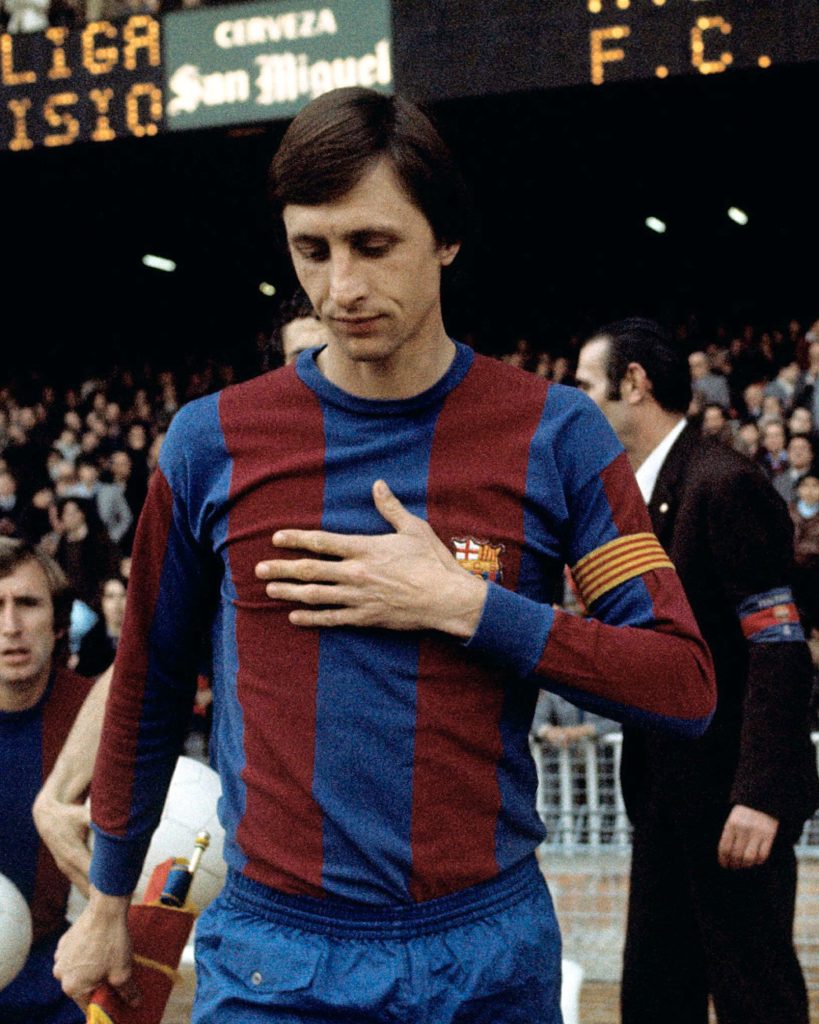
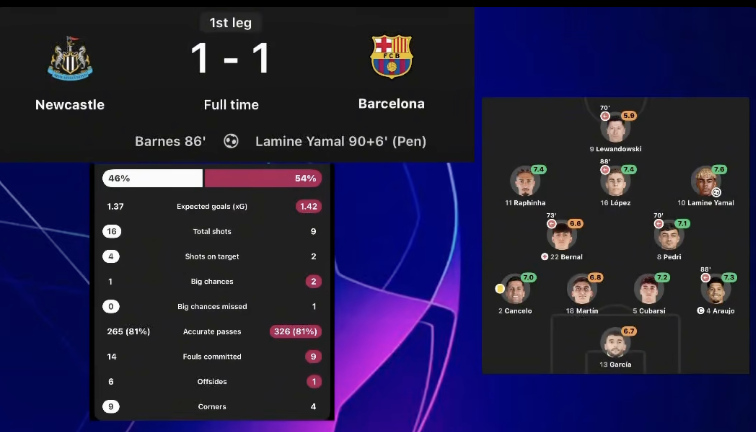
Barcelona Fans will be wishing they have a great Captain like Cruyff once again, as they are currently left with the likes of Marc-André ter Stegen and Ronald Araujo, who sadly is currently undergoing mental reevaluation, prompting support from President Joan Laporta.
These captains didn’t just lift trophies; they moulded football’s evolution, from tactical innovations to cultural icons. Their stories remind us that true influence extends beyond the 90 minutes, echoing in every match played today.