










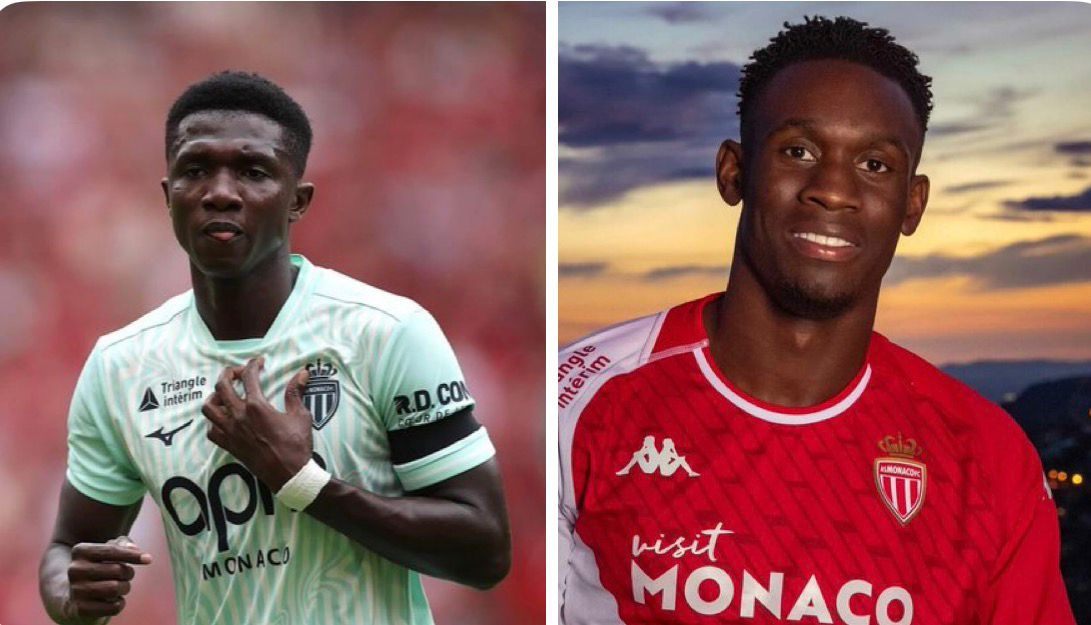

Monaco CEO Thiago Scuro has provided a detailed explanation of the extraordinary events that saw Lamine Camara fail to join Chelsea and Folarin Balogun’s proposed move to Everton collapse on Deadline Day.
Softfootball gathered Scuro’s comments as he addressed the circumstances surrounding both transfers and insisted that Monaco were placed under significant financial pressure by regulations, forcing the club to consider selling either Camara or Balogun.
According to Scuro, Monaco’s original priority was to keep Camara at the club, while they were open to allowing Balogun to leave. An agreement was reached with Everton for Balogun, who travelled to Liverpool for his medical after the clubs had settled the terms of the transfer.
Scuro explained that everything was progressing as planned until Chelsea continued to enquire about Camara. Around 4pm, Chelsea contacted Monaco again after completing the sale of Enzo Fernández to Manchester City and asked whether the French club would reconsider their position on Camara.
Scuro said Monaco’s response remained the same: they were not looking to sell the midfielder.
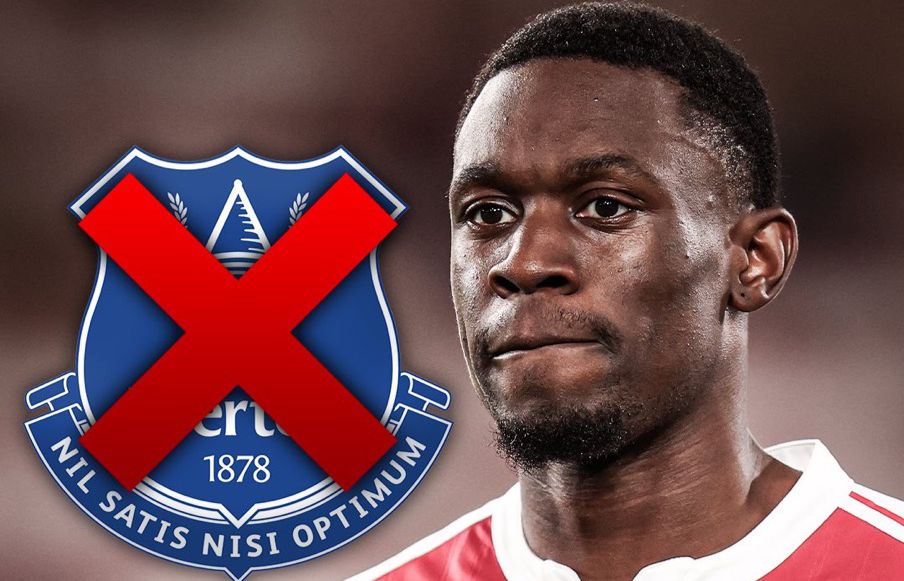
However, the situation changed several hours later when Everton raised concerns about Balogun’s medical. According to Scuro, Balogun was already in Liverpool undergoing his medical when Everton contacted Monaco around 7pm with questions regarding the striker’s condition.
Scuro said Monaco’s medical staff and Balogun’s personal medical team did not understand the concerns raised by Everton.
That development immediately opened the door for Chelsea to return for Camara. With Monaco needing to generate money, Chelsea reportedly saw an opportunity to push for the midfielder and negotiations eventually began around 8pm.
Scuro said he personally informed Camara about the possibility of joining Chelsea and began discussing the conditions of the transfer with the player.
At the same time, negotiations over Balogun’s move to Everton continued.
The situation then changed again around 10pm when Everton informed Monaco that they were satisfied with the medical situation and were ready to complete the transfer.
Scuro said Monaco then decided to proceed with the Everton deal rather than continue with Chelsea’s proposal for Camara, arguing that there was no agreement in place with Chelsea at that point.
This ultimately left Monaco facing criticism for abandoning the Camara negotiations after discussions had progressed significantly.
The situation became even more dramatic with Balogun. According to Scuro, Monaco and Everton had only minutes remaining to complete the transfer. Both clubs signed the contract, but Balogun ultimately decided not to put pen to paper.
Balogun reportedly felt uncomfortable after Everton’s medical department raised concerns about his health and questioned his future medical condition. The striker maintained that he had no medical problems and was therefore uncomfortable committing to a long-term contract under those circumstances.
Everton sources, however, have provided a different version of events, claiming Monaco were slow in providing the appropriate medical records needed to expedite the transfer and that Balogun arrived late to formalise the move.
Chelsea’s failed attempt to sign Camara therefore came as the consequence of a remarkable sequence of events involving both transfers.
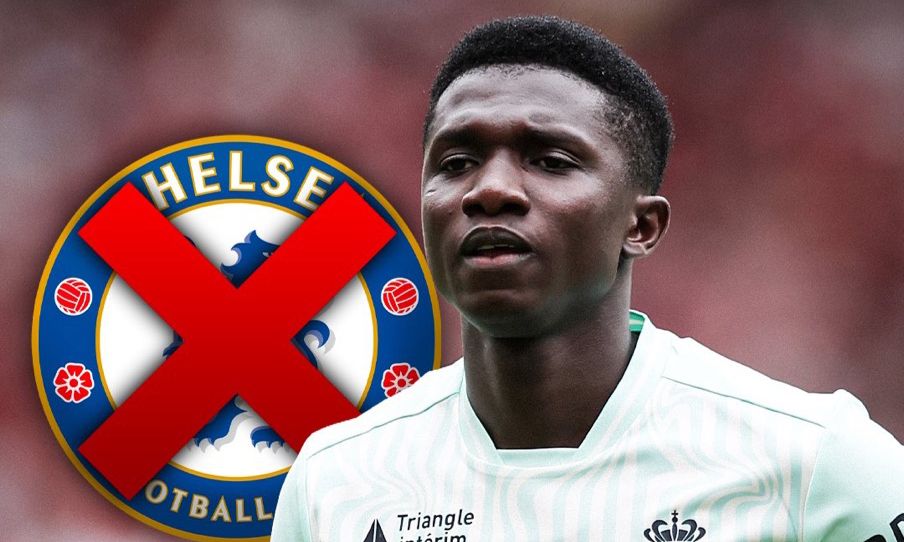
Monaco had initially agreed a €55 million deal with Chelsea for Camara, with the midfielder having completed his medical and agreed personal terms. The transfer was considered close to completion before Monaco ultimately prioritised the possibility of selling Balogun to Everton.
In the end, neither transfer was completed.
Scuro has defended Monaco’s conduct, arguing that the club were responding to rapidly changing circumstances and financial pressures rather than deliberately acting unfairly.
The extraordinary Deadline Day sequence has left Chelsea without Camara, Everton without Balogun and Monaco with neither of the two expected sales completed.