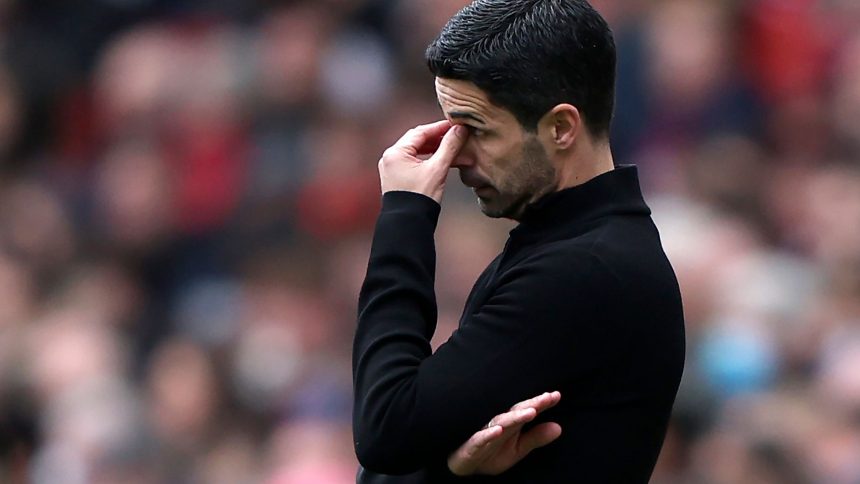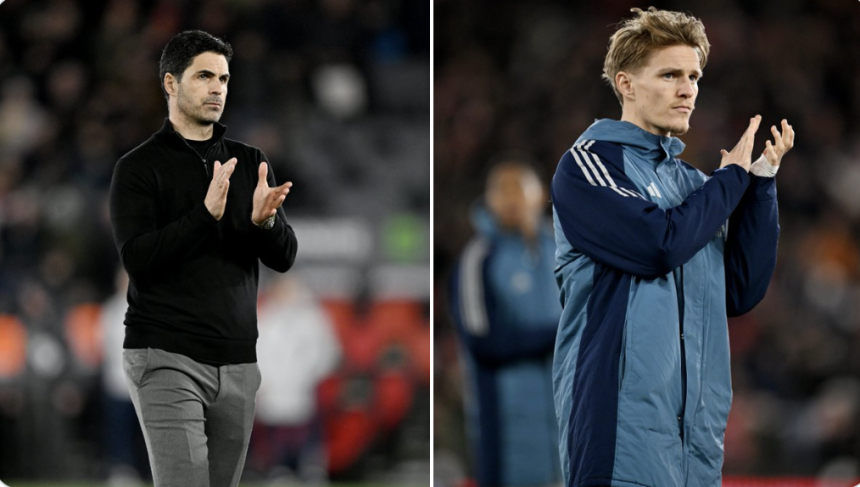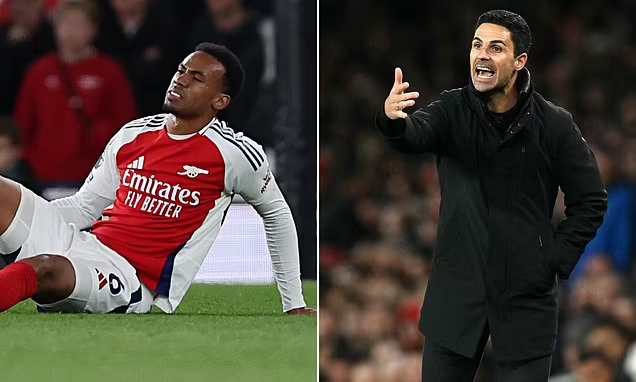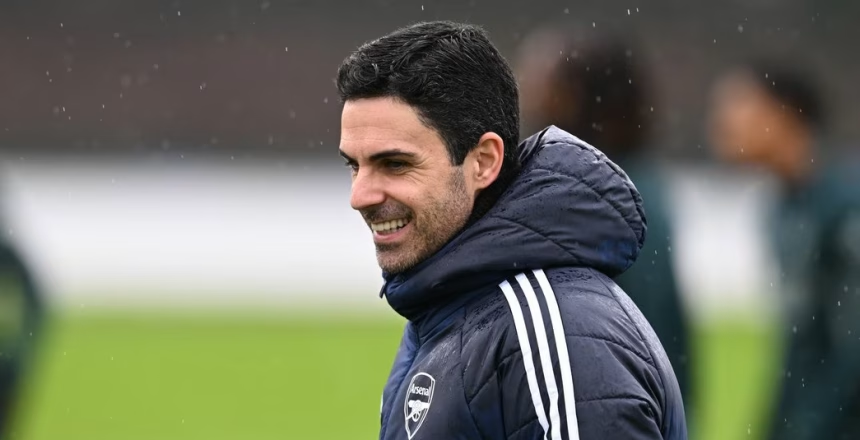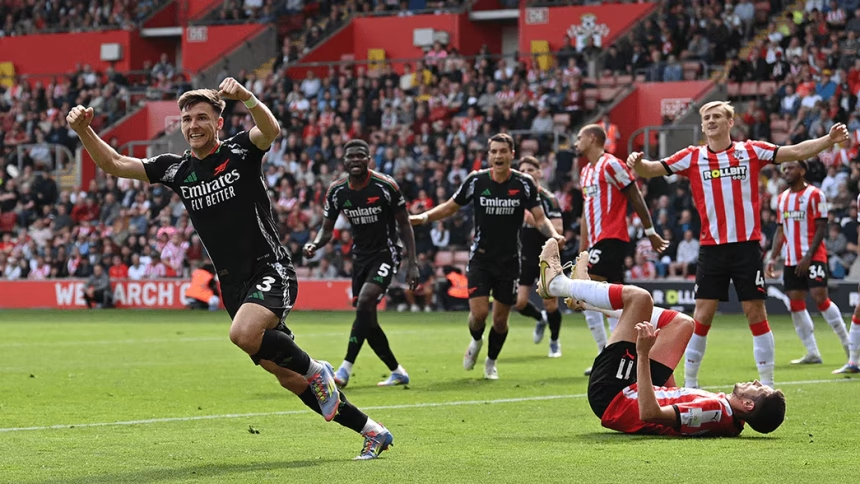

















Mikel Arteta is now one of the longest-serving managers in the modern history of Arsenal F.C., and comparisons with previous eras are inevitable.
One of the most painful moments in Arsenal’s recent past came in 2014, when Chelsea defeated Arsenal 6–0 in Arsène Wenger’s 1,000th Premier League match in charge as it remains Chelsea’s biggest-ever win over Arsenal.
That day also saw Kieran Gibbs mistakenly sent off for a handball committed by Alex Oxlade-Chamberlain, while Mohamed Salah scored his first Premier League goal for Chelsea.
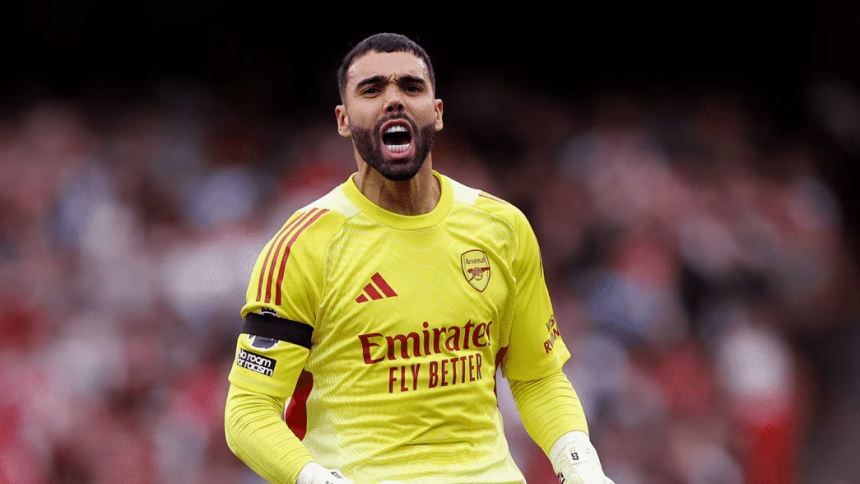
When comparing Arsenal’s style under Wenger to their approach under Arteta, one major difference stands out: defensive solidity. Arsenal today are far more structured, compact and difficult to break down than they were in certain phases of the Wenger era.
However, as Softfootball has previously highlighted, this defensive emphasis has come with attacking struggles. The current pattern of play often prioritises shape and control over attacking freedom, which has at times limited creativity.
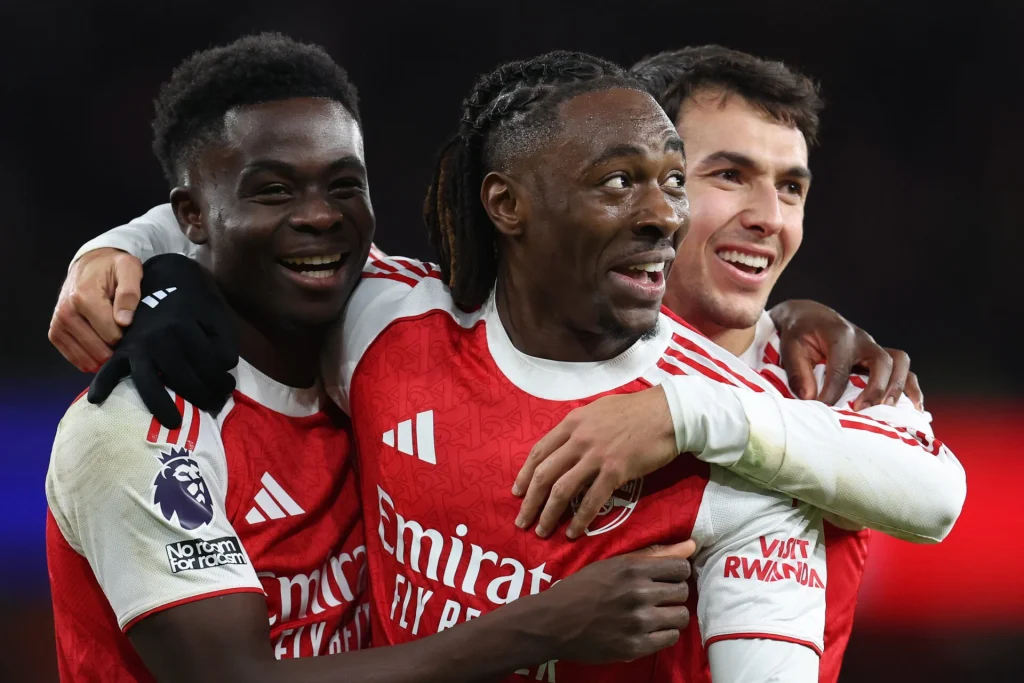
That said, players like Bukayo Saka, Martin Ødegaard and Eberechi Eze are capable of delivering on their day. When in form, they provide quality and match-winning moments.
Arteta must also be given credit. Arsenal’s defensive numbers this season are among the strongest in the league. One reason fans believe this 2025/26 season could be their moment is that:
- Arsenal possess one of the best defensive units in the Premier League.
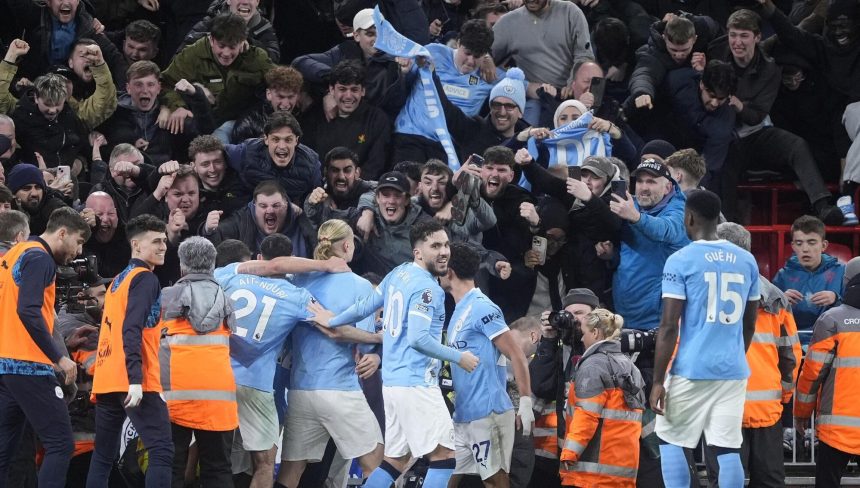
- Manchester City F.C. are not as dominant as in previous campaigns.
Historically, teams with elite defensive records often end up lifting trophies. It would be surprising if a side with this level of defensive stability finished the season empty-handed.
The real question now is whether Arsenal can strike the right balance, maintaining their defensive strength while unlocking consistent attacking output. If they can combine both elements, this could finally be the season that rewards their long-term project under Arteta.