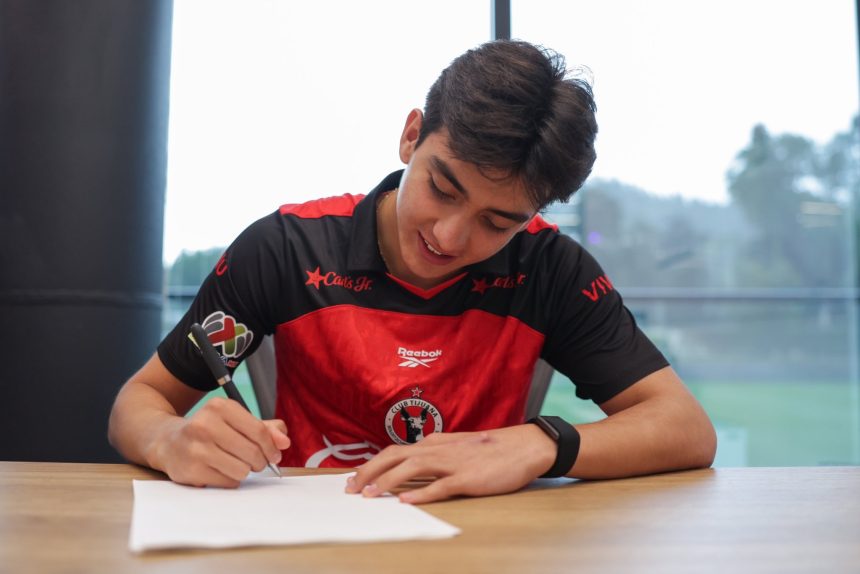













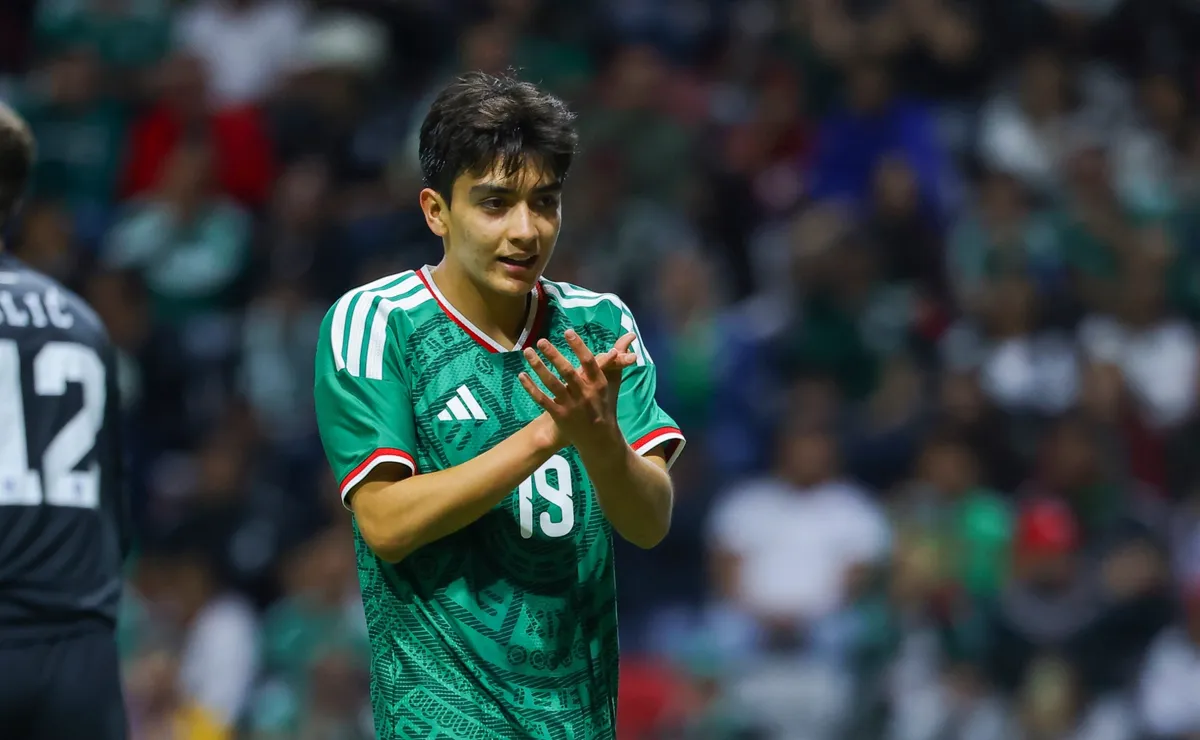
Gilberto Mora has officially become the youngest FIFA World Cup appearance maker in history, spanning from the 1930 World Cup to the 2030 edition.
The 17‑year‑old Mexican prodigy made his senior World Cup debut on 11 June 2026, coming on as a second‑half substitute in Mexico’s 2–0 victory over South Africa at the Estadio Azteca. At 17 years and 240 days, the Club Tijuana attacking midfielder now tops the list of the youngest players ever to feature on football’s biggest stage.
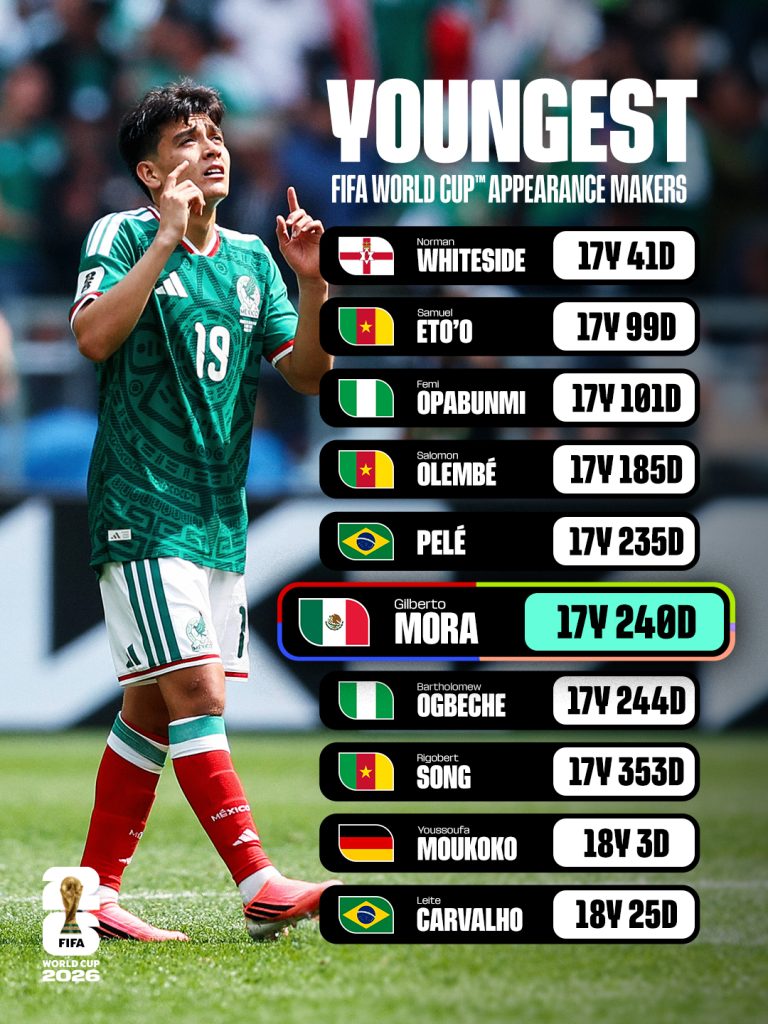
Below is a look at some of the youngest World Cup appearance makers across history:
Youngest World Cup Players in History
Norman Whiteside
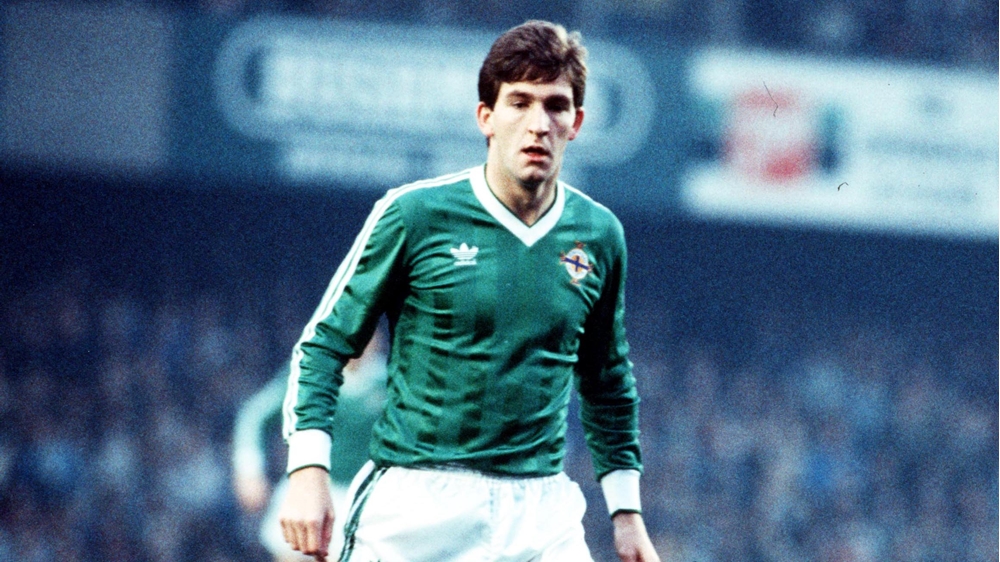
17 years, 41 days Made his debut for Northern Ireland at the 1982 World Cup, breaking Pelé’s long‑standing record. Norman Whiteside is a legendary former professional footballer from Northern Ireland who achieved monumental success at an incredibly early age.
He remains historically famous for breaking Pelé’s long-standing record to become the youngest player ever to appear in a FIFA World Cup. Known for his exceptional physicality, vision, and knack for scoring in massive matches, his career was tragically cut short by persistent knee injuries, forcing him to retire at just 26 years old.
Samuel Eto’o
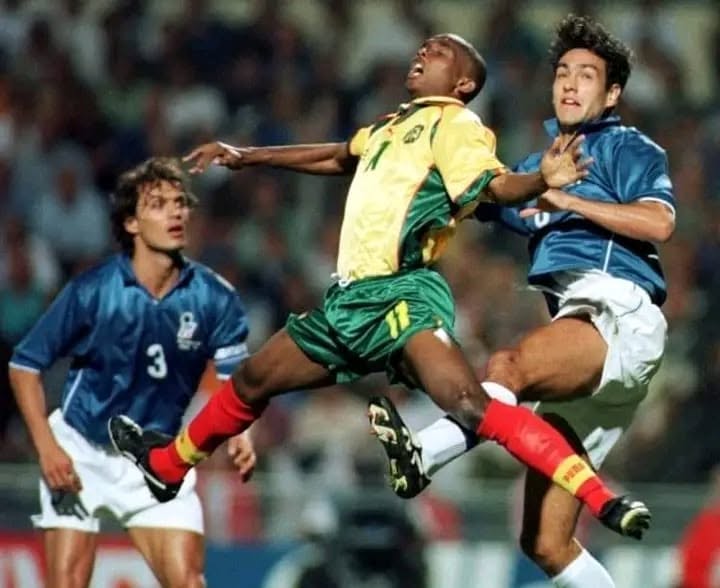
17 years, 98 days Debuted at the 1998 World Cup, coming on against Italy. Samuel Eto’o is widely regarded as one of the greatest strikers in football history and one of the finest African players to ever play the game. Renowned for his explosive pace, clinical finishing, and relentless work ethic, he is a true icon of modern football.
Femi Opabunmi
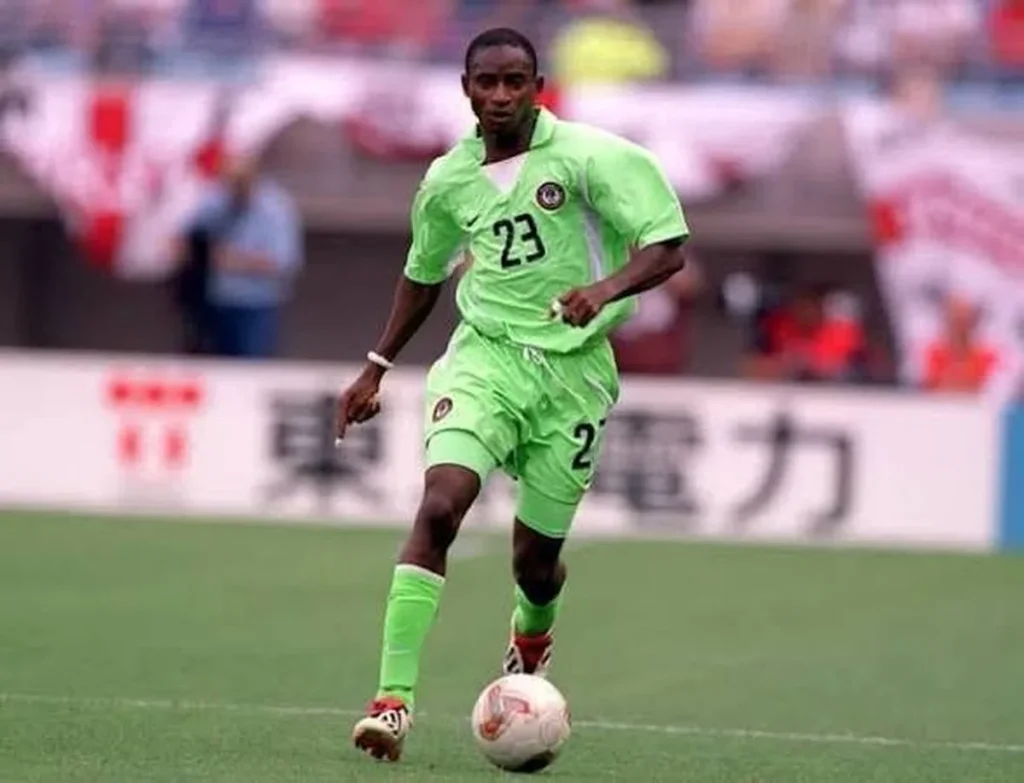
Femi Opabunmi is a former Nigerian professional footballer who holds a unique connection to Norman Whiteside and Samuel Eto’o. When he played against England in the 2002 FIFA World Cup at 17 years and 101 days old, he became the third-youngest player ever to feature in a World Cup finals match (directly trailing Whiteside and Eto’o).
Salomon Olembé
Salomon Olembé is another vital link in the historic chain of teenage prodigies who illuminated the world stage alongside Samuel Eto’o. Much like Eto’o, Femi Opabunmi, and Norman Whiteside, Olembé burst onto the scene as a remarkably young talent, making his FIFA World Cup debut for Cameroon at the 1998 tournament in France when he was just 17 years and 185 days old.
Pelé
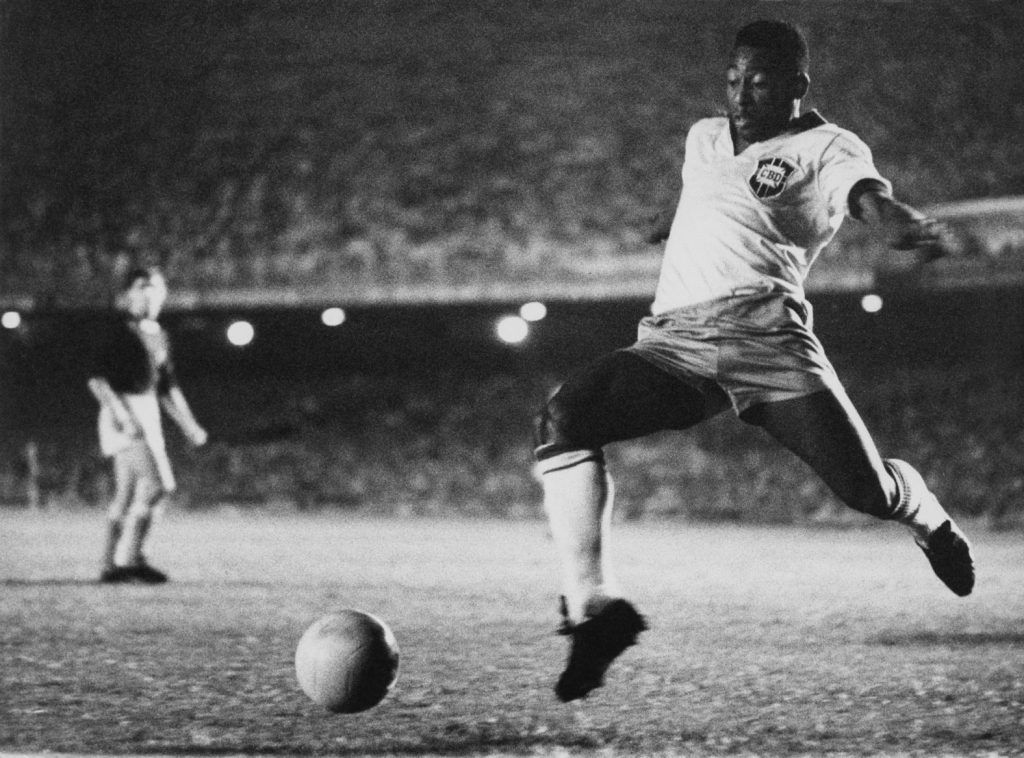
Pelé, Claimed his first FIFA World Cup title in Sweden in 1958 at just 17 years and 249 days old. He universally immortalised as the absolute genesis of the teenage World Cup prodigies previously discussed, serving as the benchmark that Norman Whiteside, Samuel Eto’o, Salomon Olembé, and Femi Opabunmi spent their early careers chasing.
Gilberto Mora
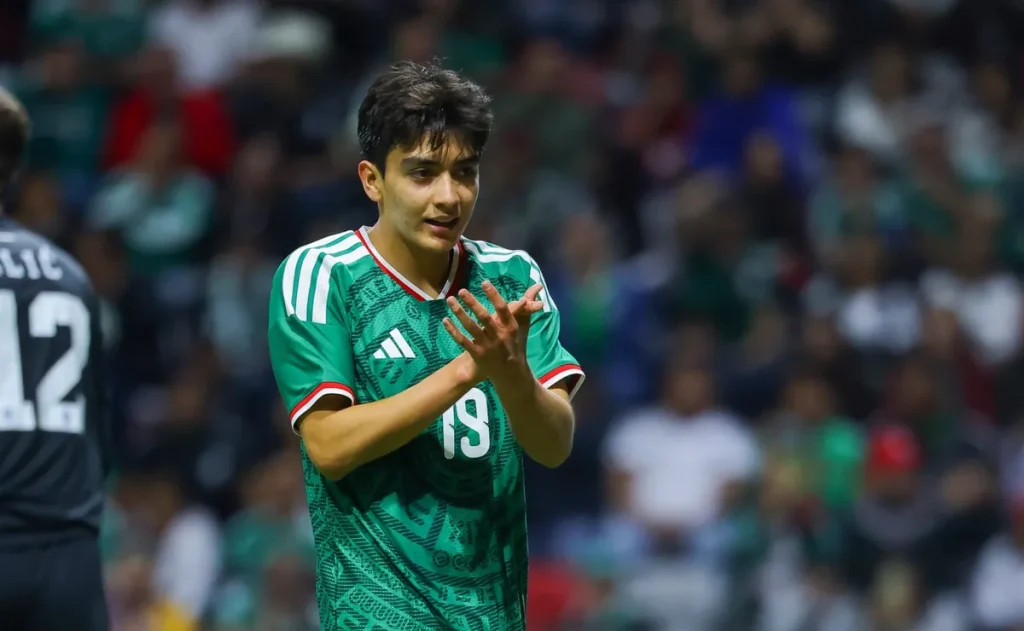
Gilberto Mora is the latest generational prodigy to step into the historic lineage of teenage World Cup record-breakers. Continuing the timeline of Norman Whiteside, Samuel Eto’o, Salomon Olembé, and Femi Opabunmi, the Mexican phenom made history on 11 June 2026 by coming on as a substitute in Mexico’s 2-0 opening World Cup victory over South Africa
Bartholomew Ogbeche
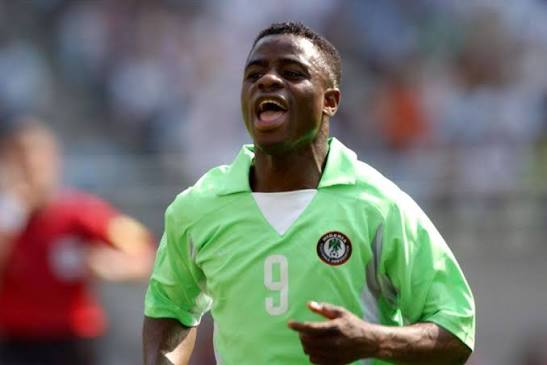
Bartholomew Ogbeche fits seamlessly into the elite lineage of early-blooming Nigerian and global World Cup phenoms. In fact, when he started for Nigeria against Argentina in the 2002 FIFA World Cup at just 17 years and 244 days old, he carved his own massive piece of football history.
Rigobert Song
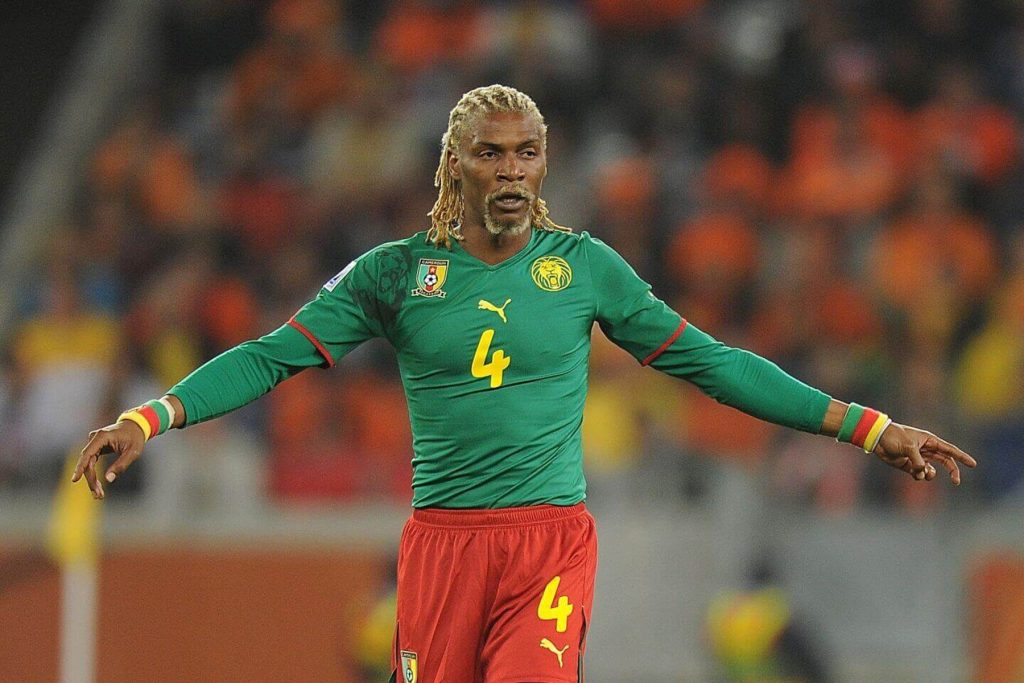
Rigobert Song is an absolute titan of African football history, firmly cemented alongside his longtime international teammates Samuel Eto’o and Salomon Olembé.
A fierce, charismatic, and combative centre-back famous for his trademark dreadlocks and immense leadership, he holds a distinct place in World Cup history. Debuting at the 1994 World Cup at just 17 years and 354 days old,
Youssoufa Moukoko
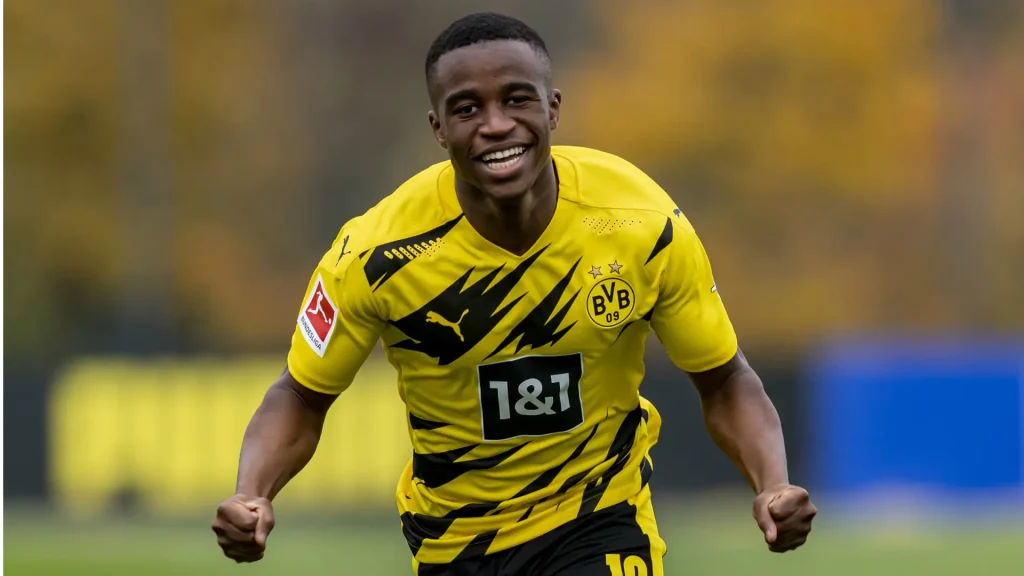
Youssoufa Moukoko is the modern-day torchbearer in the iconic sequence of teenage World Cup prodigies. Representing Germany at the 2022 FIFA World Cup at just 18 years and 3 days old, he etched his name into international folklore as the youngest German player ever to feature at a World Cup.
Carvalho Leite
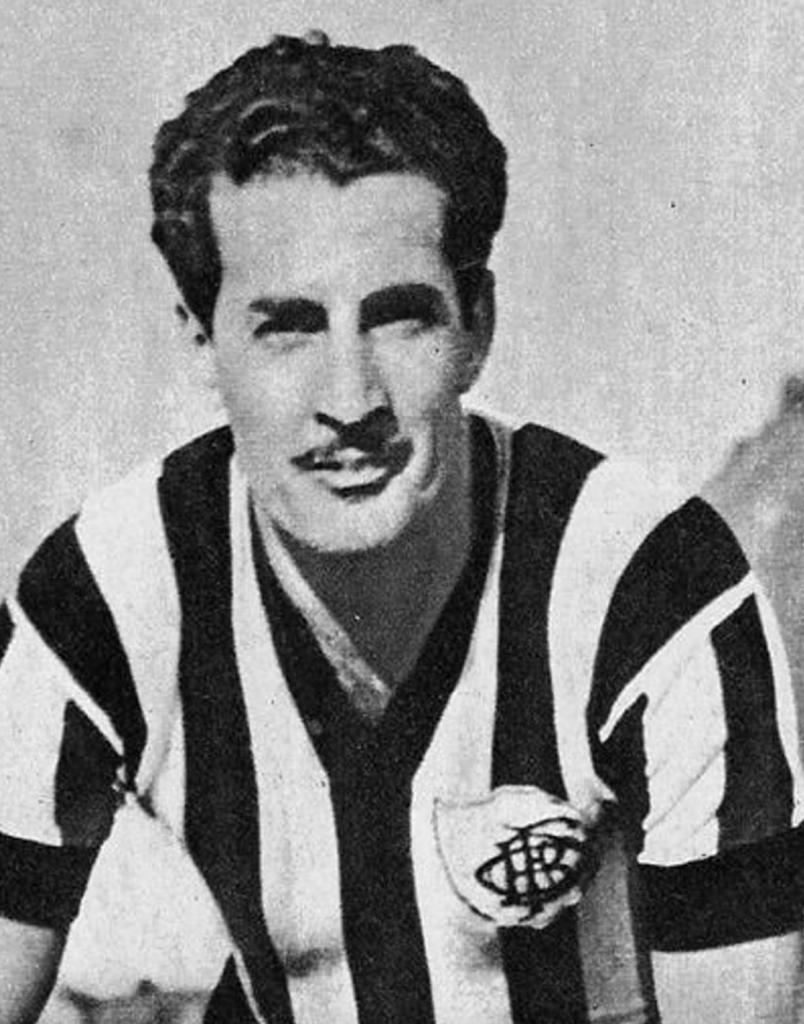
Carvalho Leite—born Carlos Antônio Dobbert de Carvalho Leite, is the foundational cornerstone who rounds out the top 10 youngest players in FIFA World Cup history.
Debuting for Brazil at the inaugural 1930 tournament in Uruguay at just 18 years and 25 days old, he held the record as the absolute youngest player in World Cup history for 28 years until his compatriot Pelé shattered it in 1958.
Softfootball believes, Gilberto Mora’s achievement adds another chapter to the history of teenage talents shining on the world stage. His debut reflects Mexico’s growing trust in youth and highlights the extraordinary rise of a player already regarded as one of North America’s brightest prospects.