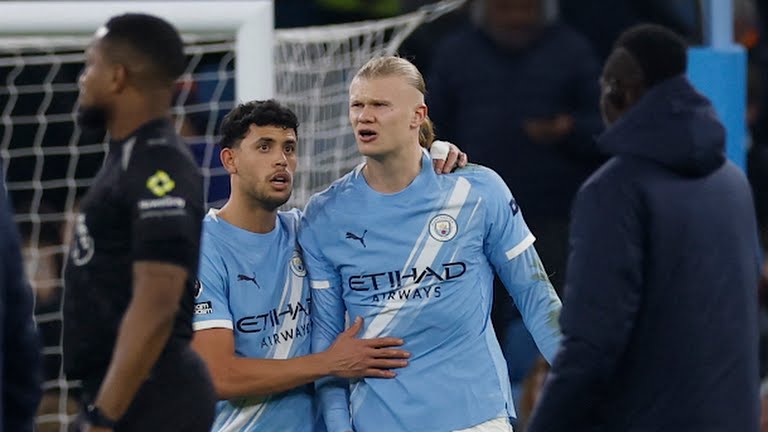














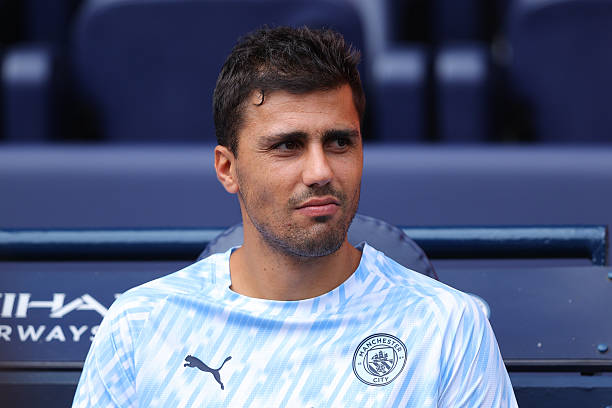
Rodri’s influence at Manchester City is under intense scrutiny following a dramatic dip in results since his return from injury. Before the Spanish midfielder rejoined the team, City were on an impressive run, winning eight consecutive matches and looking balanced, sharp, and dominant across competitions.
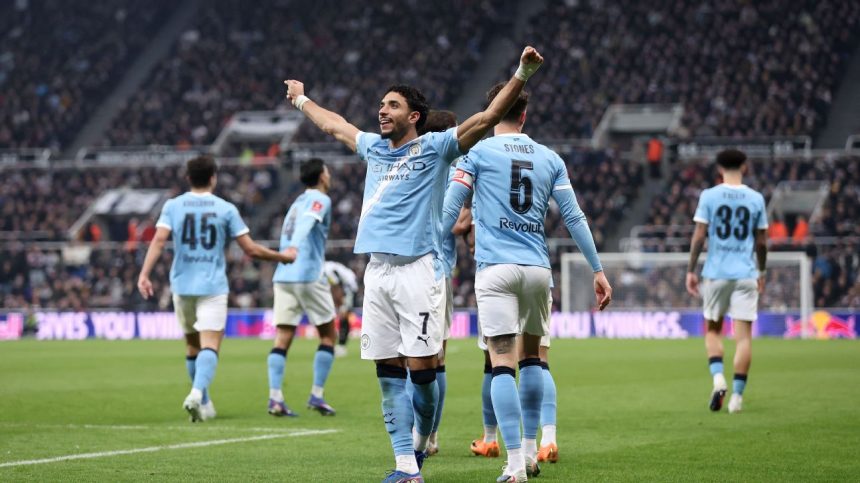
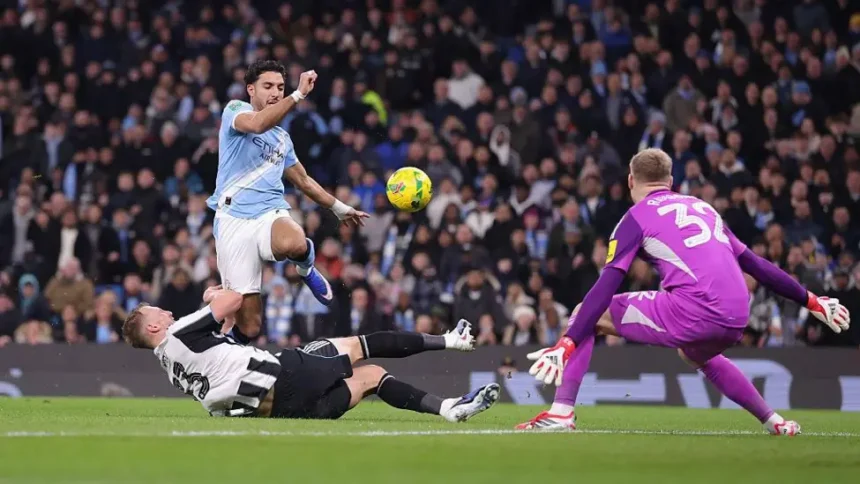
Softfootbal, gathered since Rodri’s comeback, however, City’s momentum has stalled. Victories have been scarce, performances have dipped, and the team has appeared more vulnerable in transition. The only win recorded after his return came against Newcastle, a match that still raised concerns as Rodri lost possession in the build-up to Newcastle’s third goal.
Once known for his composure, positional discipline, and reliability, Rodri has struggled to rediscover his old form. His decision-making has been slower, his passing less secure, and his discipline questionable, highlighted by a yellow card that later turned into a red card. These are traits rarely associated with the midfielder who once anchored Pep Guardiola’s system with near-perfect assurance.
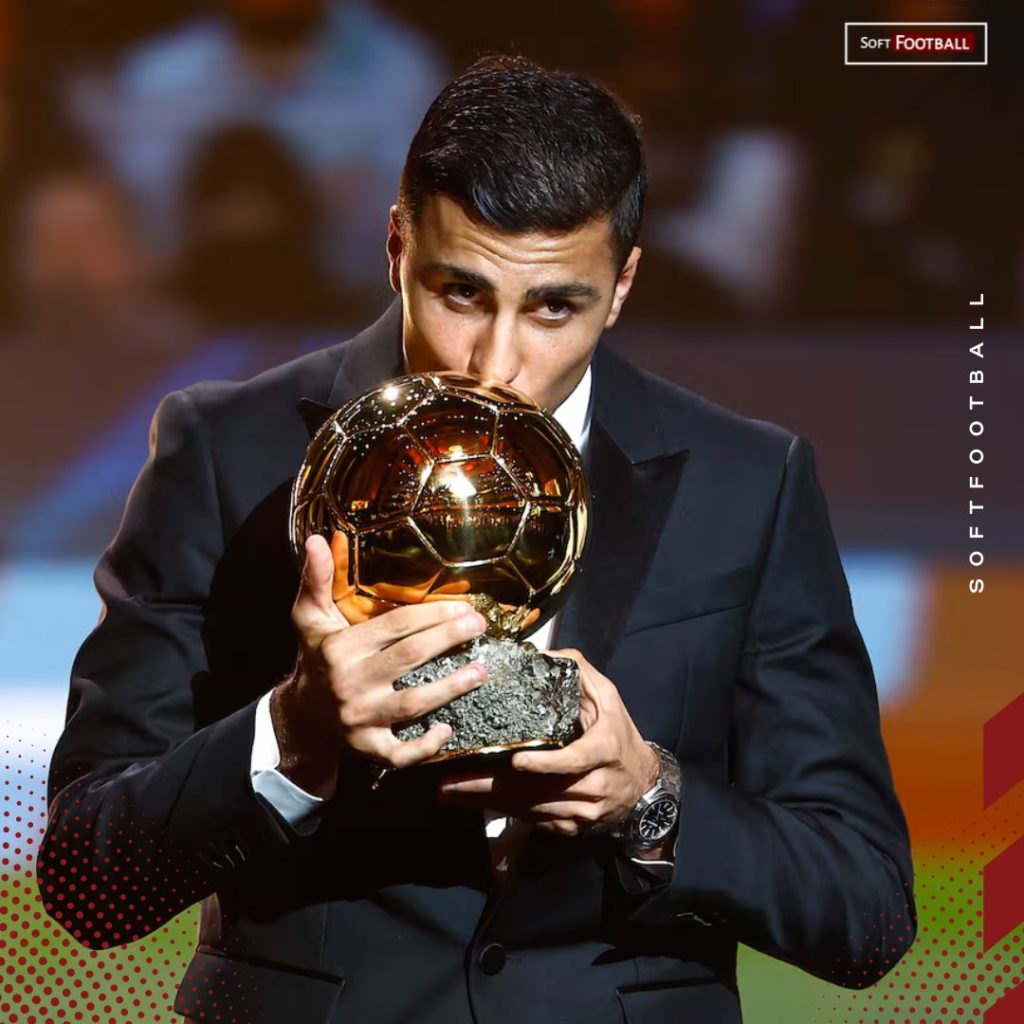
There is also growing talk of a so-called “Ballon d’Or effect.” Rodri’s historic individual honour was expected to elevate his performances, but some believe it has instead added pressure, leading him to force authority rather than play his natural, understated game.
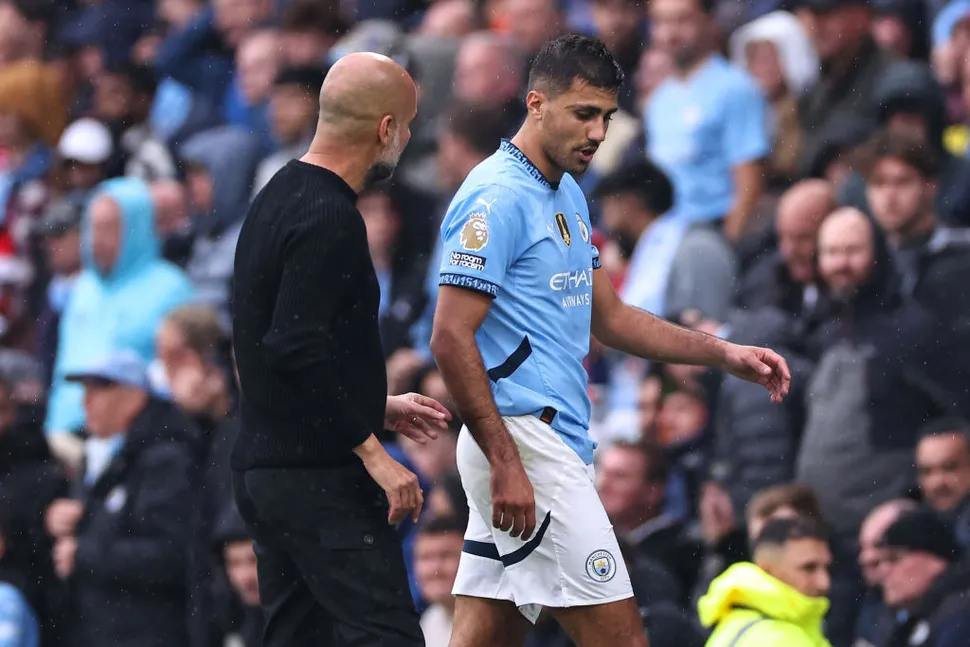
Guardiola’s continued use of Rodri in multiple roles, defensive midfield, centre-back, and hybrid positions — has further exposed his lack of sharpness after injury. The problems were evident again in City’s 3–1 defeat to Bodø/Glimt, where the midfield struggled for control.
While few doubt Rodri’s quality or legacy at the club, football remains a game of form and fitness. For now, many City supporters believe the team functions better without him, at least until he regains the physical sharpness and calm control that once made him indispensable.