












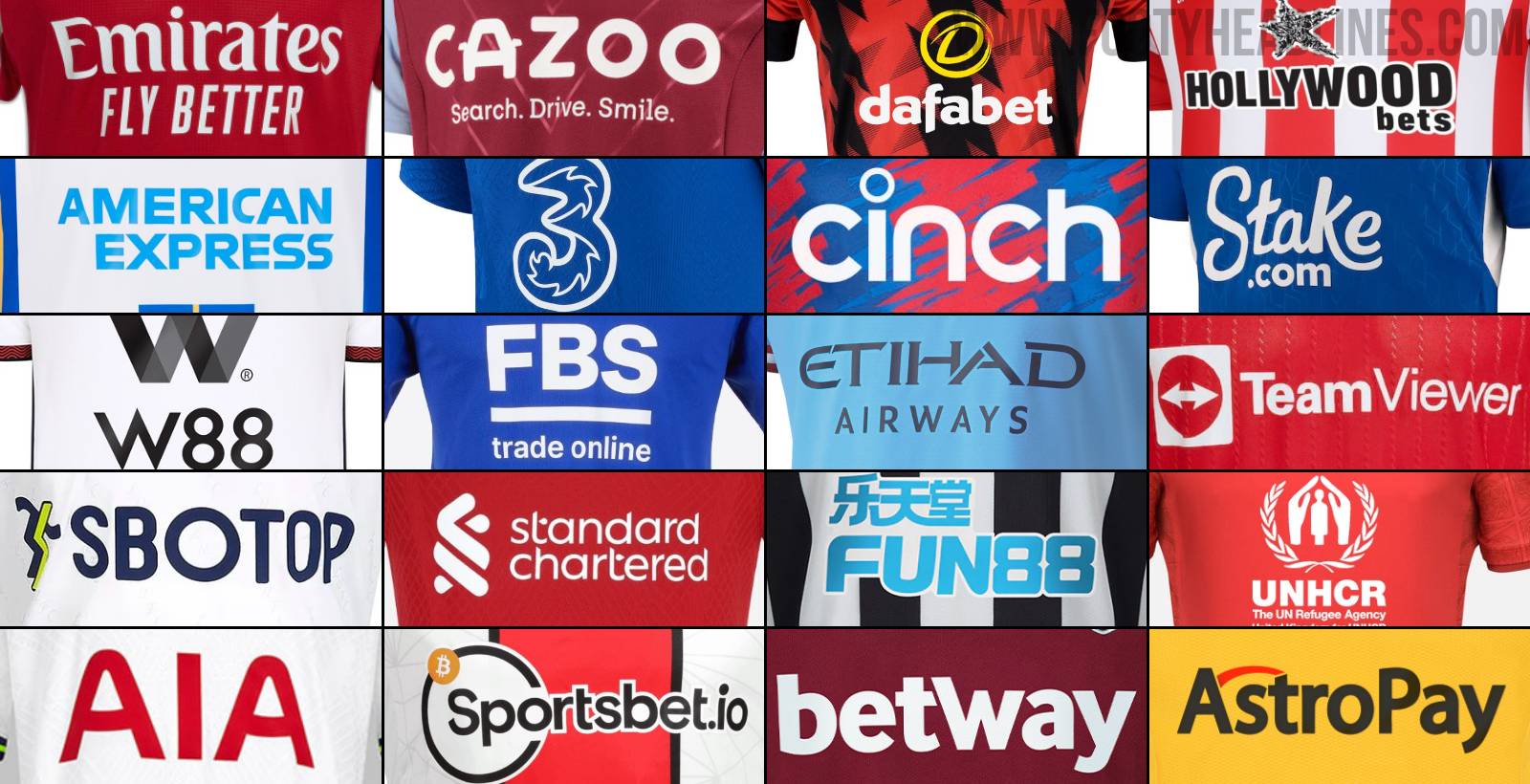
Before we dive into why football clubs sponsorship deals are moving to revenue share, we have to use a case study. Let use the football clubs and their sponsorship deals and duration in EPL season 2025/26. Look at them in the table below:
| Rank | Football Club | Brand sponsor | Value per year | Duration |
|---|---|---|---|---|
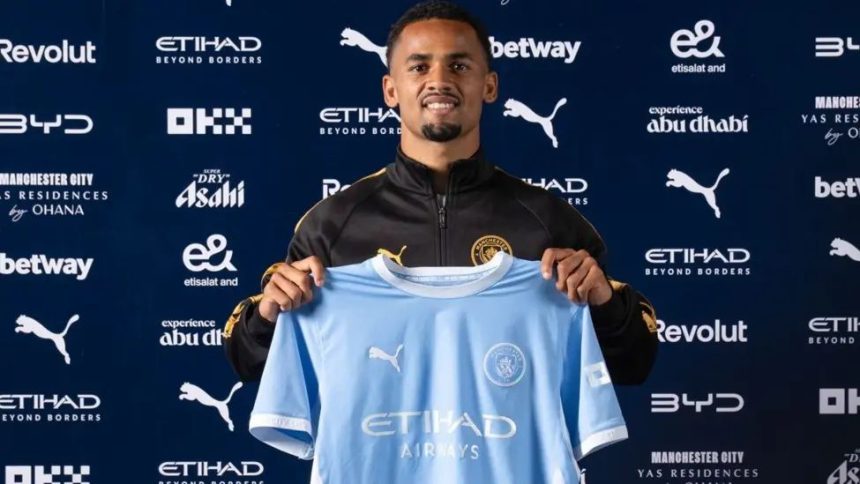
| 1 | Manchester City | Etihad Airways | £67.5m | 2009/31 (10 year extension in 2029) |
| 2 | Manchester United | Snapdragon | £60m | 2025/29 (Extension) |
| 3 | Arsenal | Emirates | £50m | 2006/28 (Multiple extensions) |
| 3 | Liverpool | Standard Chartered | £50m | 2010/27 (4 year extension in 2022) |
| 5 | Tottenham Hotspur | AIA | £40m | 2013/27 (8 year extension in 2019) |
| 6 | Newcastle United | Sela | £25m | 2023/28 |
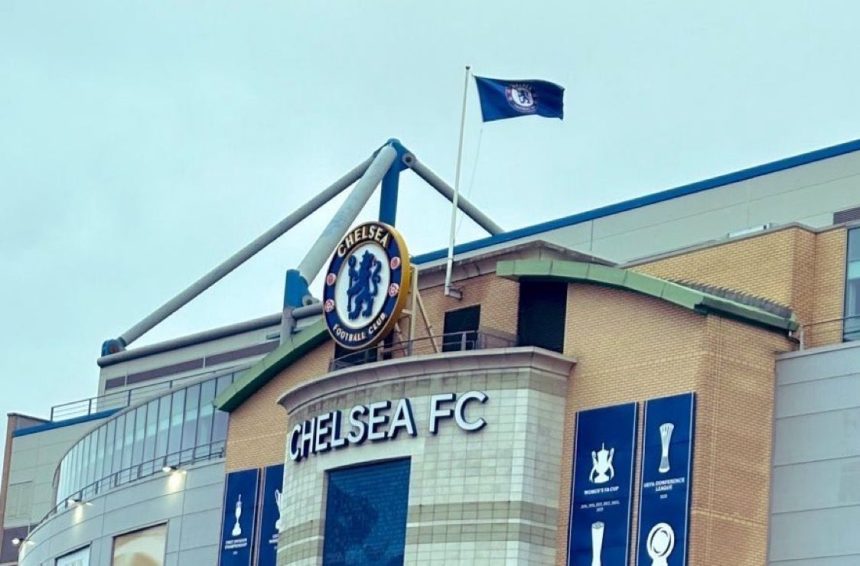
| 7 | Chelsea | IFS.ai | £22m | 2026 |
| 8 | Aston Villa | Betano | £20m | 2024/26 |
| 9 | West Ham United | Boylesports | £12m | 2025 (Multi year) |
| 9 | Leeds United | Red Bull | £12m | 2024/34 |
| 11 | Fulham | SBOTOP | £10m | Since 2023 (1 year rolling contract) |
| 11 | Everton | Stake.com | £10m | 2022/26 |
| 11 | Wolverhampton Wanderers | DEBET | £10m | 2024/26 |
| 14 | Brighton & Hove Albion | American Express | £8.3m | 2010/31 (12 year extension in 2019) |
| 15 | AFC Bournemouth | BJ88 | £8m | 2024/26 |
| 15 | Nottingham Forest | Ballys | £8m | 2025/26 (1 year only) |
| 17 | Crystal Palace | NET88 | £5m | 2024/26 |
| 18 | Brentford | Hollywoodbets | £3.67m | 2025/26 |
| 19 | Burnley | 96.com | £3.5m | 2024/26 |
| 20 | Sunderland | W88 | £5m | 2025/26 |
Back to why flat-fee sponsorship is losing strategic logic, the shift is becoming clearer across modern football economics.
Under the traditional model, a brand simply pays a fixed amount, Brand pays $X and receives exposure. The agreement is straightforward, predictable, and largely disconnected from actual performance outcomes.
But the new model is different. Brands now pay less upfront and instead share in performance upside. Rather than treating sponsorship purely as advertising spend, it is structured more like a business partnership tied to measurable growth.
Streaming volatility has made audience size less predictable than in the traditional broadcast era. Brands now demand measurable return on investment instead of relying on estimated impressions. Rights holders, on the other hand, seek long-term alignment rather than short-term cash injections. At the same time, data transparency has made performance traceable from digital engagement to merchandise sales and subscription conversions.
Revenue-share structures naturally reduce risk asymmetry between both parties. They align incentives, ensuring that when clubs grow commercially, sponsors grow with them. In effect, sponsorship becomes a joint growth mechanism rather than a fixed marketing expense.
Softfootball understands this evolution is already visible across sports leagues, federations and entertainment partnerships, where contracts increasingly link compensation to viewership performance, digital engagement metrics, merchandise sales and subscription growth.