











FIFA is currently reviewing a sensitive eligibility case involving the Democratic Republic of Congo (DR Congo) and the use of players with dual citizenship, a situation that has sparked widespread debate across African football.
While FIFA regulations permit dual citizenship, Congolese national law reportedly does not. Under DR Congo’s citizenship laws, individuals are only allowed Congolese nationality, with dual citizenship not officially recognized. This legal contradiction has raised questions over whether players holding other nationalities are eligible to represent DR Congo at international level.

The core of the argument is whether FIFA statutes should supersede domestic citizenship laws. Critics argue that if Congolese law does not recognize dual nationality, then players holding two passports should be considered ineligible to play for the national team, making their participation a possible breach of regulations.
FIFA is understood to be carefully examining the case, with a final verdict expected in February 2026, ahead of the decisive World Cup playoff fixtures scheduled for March.
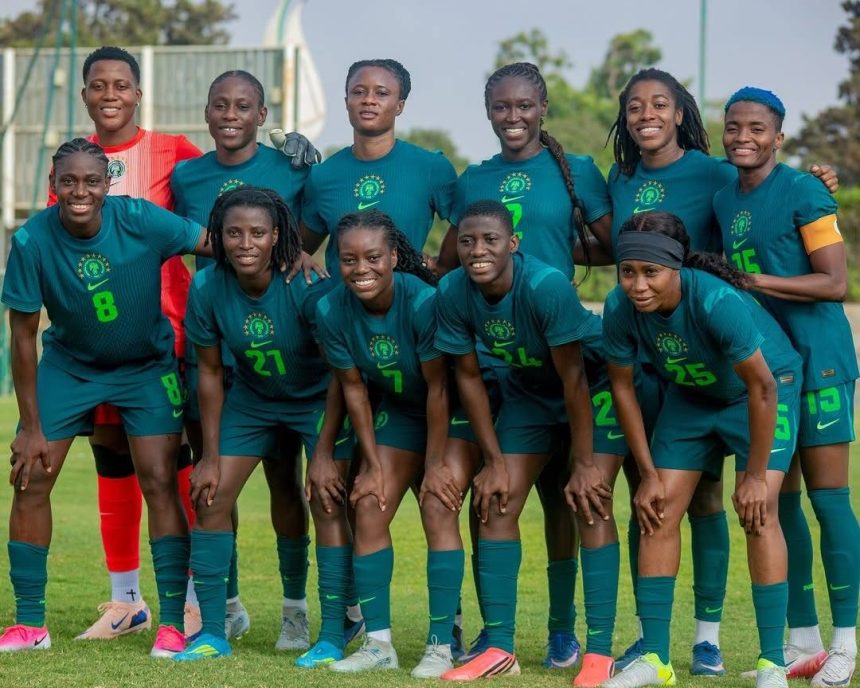
However, the ongoing investigation has divided opinion among football fans. Many supporters believe Nigeria should qualify for the 2026 World Cup strictly on the field of play, not through administrative rulings or legal loopholes. Some fans have expressed discomfort with the idea of qualification “through the back door,” even if FIFA eventually rules against DR Congo.
At the same time, Softfootball has also gathered growing speculation surrounding Senegal’s status, following the chaotic scenes during the AFCON 2025 final against Morocco. Senegal briefly refused to continue the match after a controversial late penalty decision, only returning to the pitch after Sadio Mané’s intervention.

Morocco later missed that penalty, with Brahim Díaz failing in his Panenka attempt, and Senegal went on to win the tournament. Despite Senegal eventually completing the match, some narratives suggest FIFA or CAF could still consider sanctions, potentially affecting Senegal’s participation in the 2026 World Cup.
Should any sanction be imposed on Senegal, discussions have emerged about Nigeria’s chances being revived, given their position in the qualification playoff structure.
For now, both situations remain unresolved. FIFA’s February ruling on the DR Congo case, alongside any potential decisions regarding Senegal, could have significant implications for African representation at the 2026 FIFA World Cup.